Last updated November 20, 2026
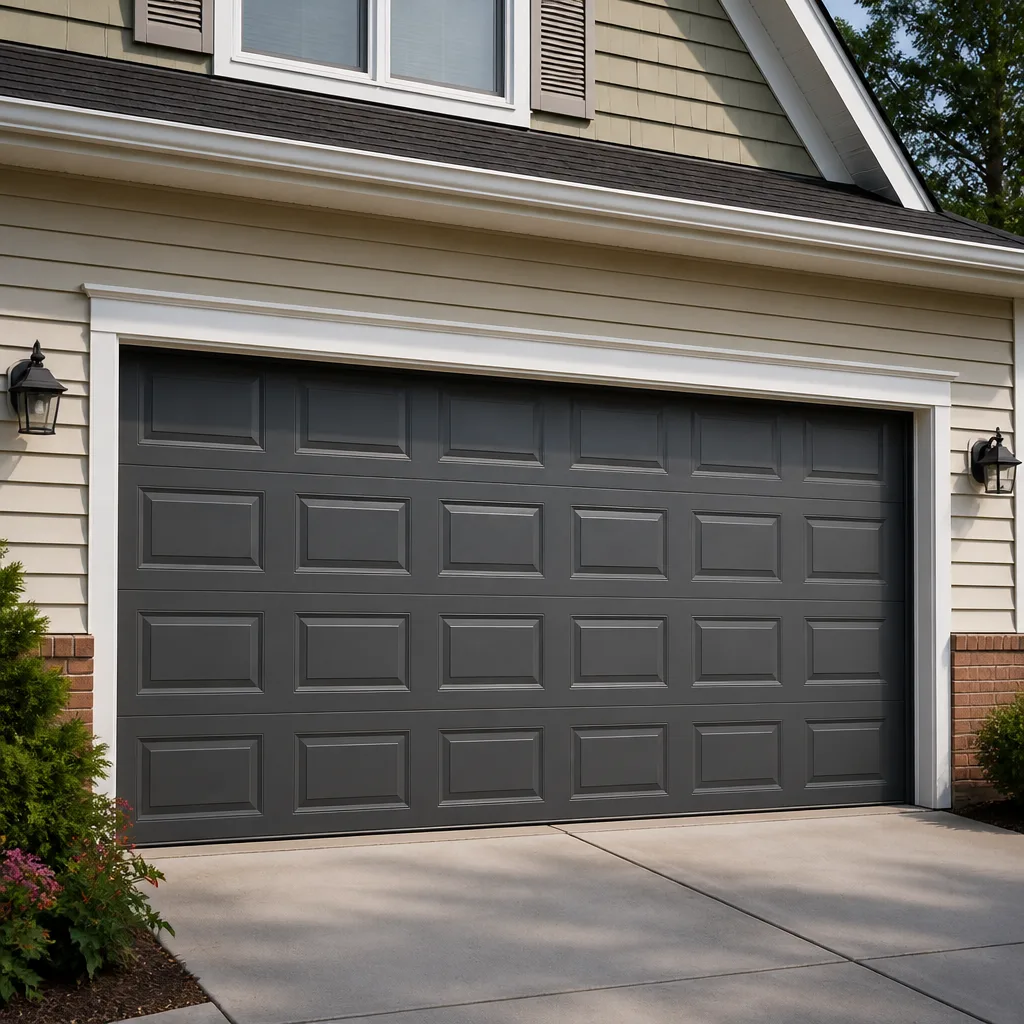 Raised-panel steel
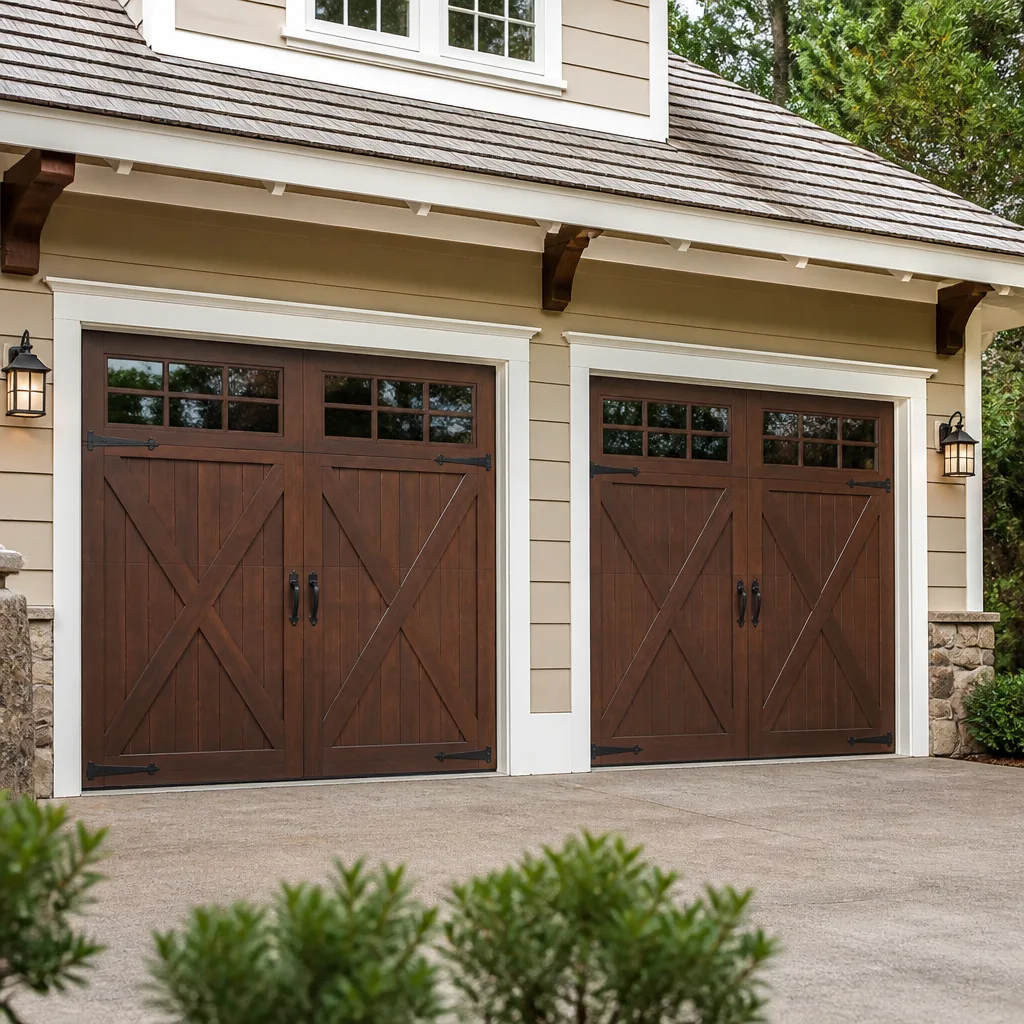 Carriage house
 Modern flush
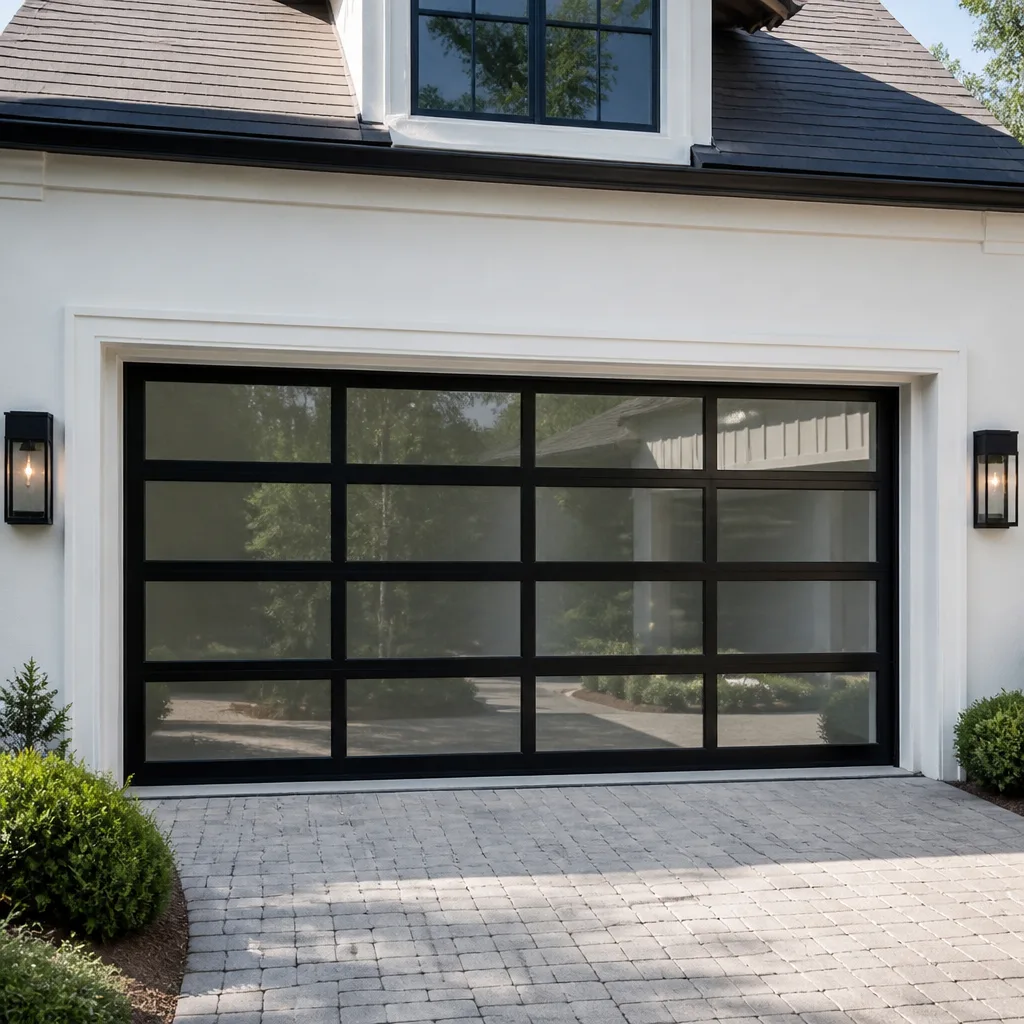 Full-view glass
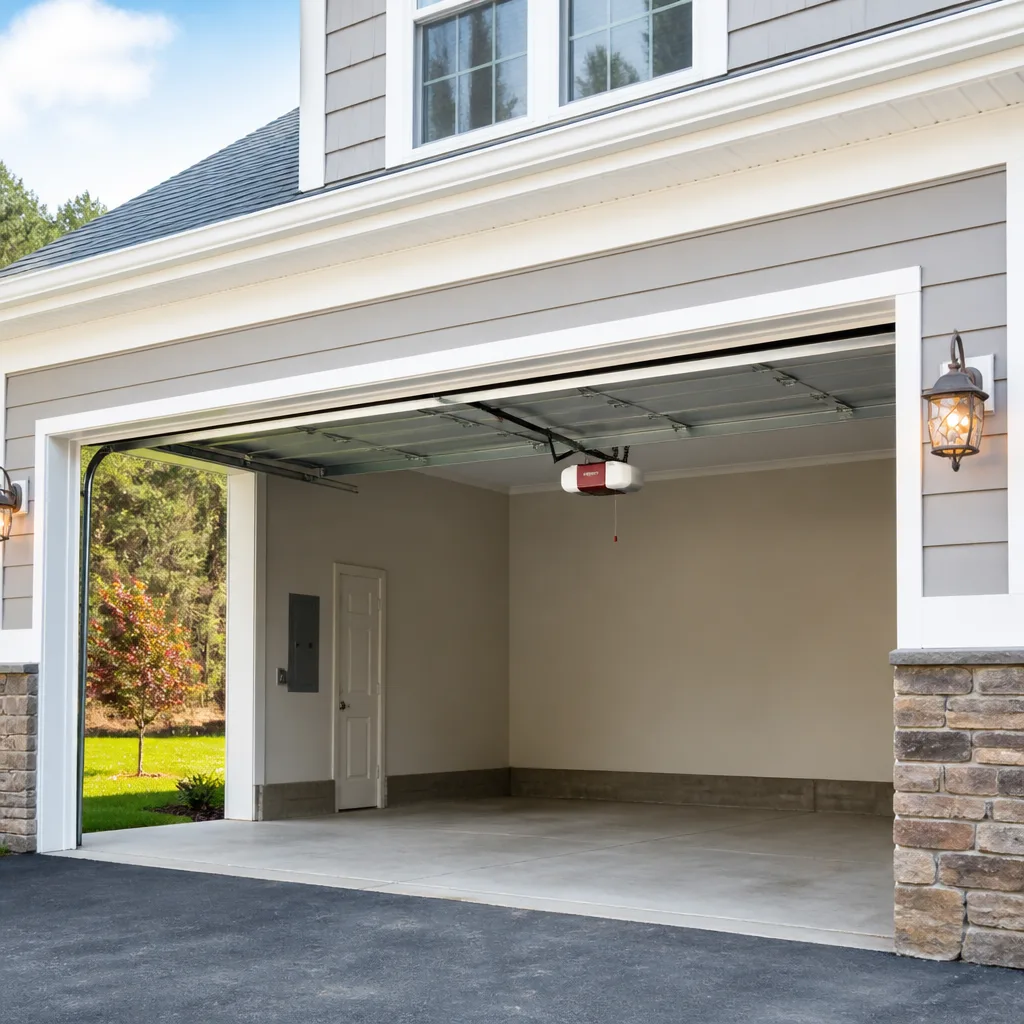 LiftMaster openers
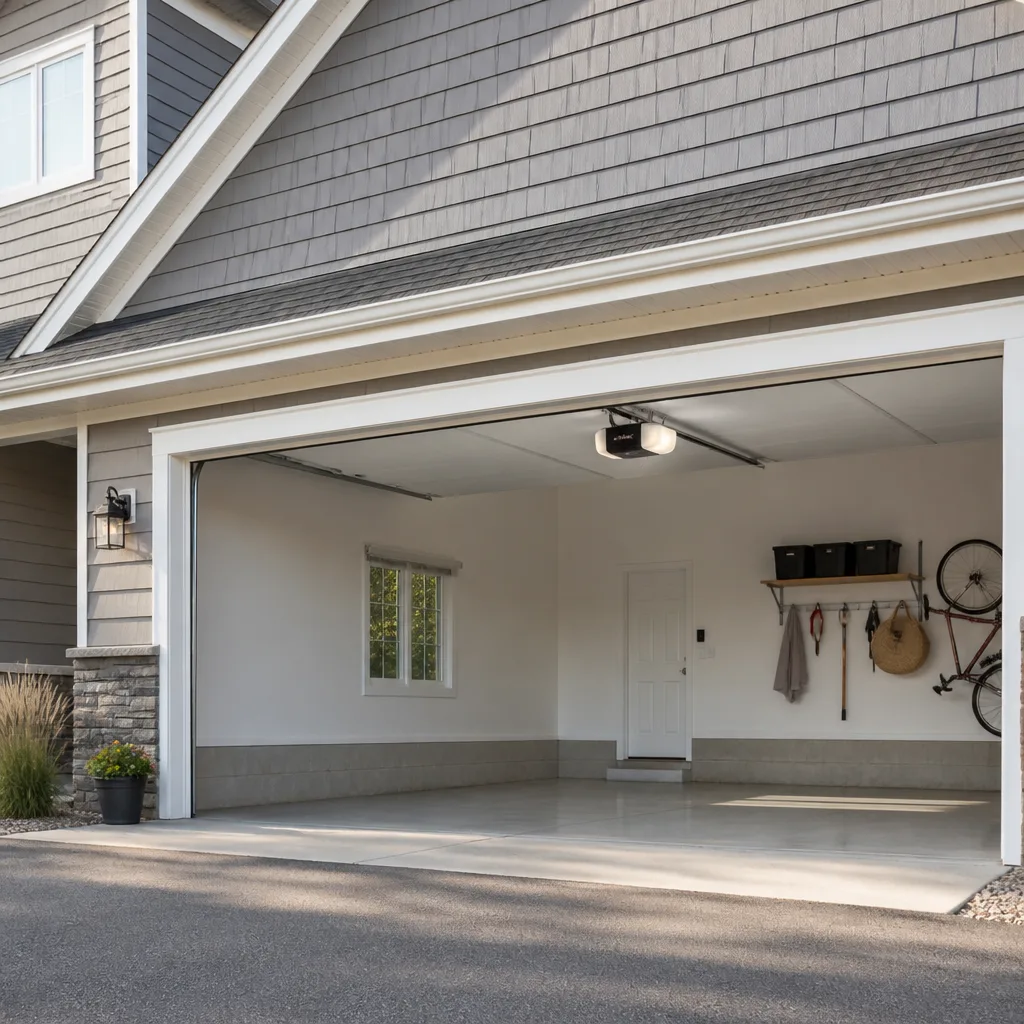 Chamberlain openers
Full 25-point door and opener safety check with every visit - springs, cables, rollers, tracks, and your LiftMaster or Chamberlain opener included
You get a price before we start. It does not change when the pro arrives.
Get your free estimateGarage Door Warning Signs: A Waterbury Homeowner’s Reference Guide
Most garage doors don’t fail without warning. They groan, they hesitate, they drift down a few inches before catching, and they tell you something is wrong weeks before the door finally stops moving. The misconception worth clearing up first: a garage door that still opens and closes is not automatically a door that’s fine. The noises, the uneven gaps, and the opener that needs two tries are all early signals, and catching them early is usually the difference between a straightforward repair and a much bigger job. This guide walks through every warning sign we see in Waterbury homes, what each one means, what it typically costs, and when to stop using the door and call someone. Keep it as a reference.
Quick Answer
The main garage door warning signs are a door that reverses before closing, a loud bang followed by a door that won’t lift, visible gaps at the bottom or sides, a sagging panel, an opener that runs but doesn’t move the door, and any grinding or snapping noise during travel. In Waterbury, the freeze-and-thaw cycle between December and March puts extra stress on springs, cables, and weather seals, so these signs show up most in late fall and early spring. If a spring is broken or a cable is frayed, stop operating the door and call a trained technician.
Styles & brands we work with
- Raised-panel steel
- Carriage house
- Modern flush
- Full-view glass
- LiftMaster openers
- Chamberlain openers
Table of Contents
- What the Noises Are Telling You
- The Manual Balance Test Every Homeowner Should Know
- Spring Failure: The Warning Sign You Should Never Test Yourself
- Opener Warning Signs: When the Motor Is the Problem
- Waterbury Weather, Seals, and Track Movement
- A Four-Step Visual Checklist for Waterbury Doors
- Safety Devices You Should Test Every Month
- What Garage Door Repairs Typically Cost in Waterbury
What the Noises Are Telling You
A healthy garage door is quiet. Not silent, but steady: a low hum from the opener, a soft roll of the wheels in the track, nothing sharper. If you can hear the door from inside the house, something has changed. The type of noise points at the system that’s failing, which is why we ask homeowners to describe it before we visit. It saves time and often tells us which parts to bring.
- A single loud bang from the garage. This is usually a torsion spring breaking, and it’s the most common reason Waterbury homeowners call us out of nowhere. The door may still feel normal for a few hours, then won’t lift at all.
- Grinding or scraping during travel. The rollers are worn, the track is bent, or both. Sometimes the door is rubbing against a warped jamb after a season of freezing and thawing.
- A rhythmic squeak that speeds up with the door. Lubrication has dried out on the hinges, rollers, or spring coils. Left alone, dry metal wears faster than greased metal.
- Clicking from the opener head that repeats without moving the door. The logic board or capacitor inside a LiftMaster, Chamberlain, or Genie unit is often failing rather than the door itself.
- Snapping or popping from one side. On doors with extension springs, that’s a sign of a tired spring or a stretched safety cable. On torsion doors, it means a cable has jumped a drum.
- A rattle that happens only when the door is fully open. Usually a loose top bracket or a hinge that’s backed out of the panel. Easy to fix, but it will get worse.
The important rule: any new noise is a reason to look, not a reason to keep using the door and hope. In our experience, the repairs we’re called for on a Monday are smaller than the ones we’re called for two weeks later after the noise has been ignored.
The Manual Balance Test Every Homeowner Should Know
The manual balance test tells you whether the springs are still holding the door’s weight. It’s the single most useful check a homeowner can do without tools. A balanced door should stay put at roughly waist height when you lift it by hand and let go. If it slams down or drifts back up, the spring tension is off.
Do this once a season, and once more after any heavy snow or a long cold snap. The springs do most of the lifting on a garage door, and their tension changes with temperature. Waterbury winters push them hard.
- Close the door and pull the manual release cord to disconnect the opener carriage. This is the rope with the red handle.
- Lift the door by hand to about waist height. Use two hands on the bottom section, and stand slightly to the side, not directly under the door.
- Let go. A balanced door stays where you left it. A door that drops has weak springs. A door that rises on its own has springs that are too tight or a cable problem.
- Lower the door slowly, then re-engage the carriage by pulling the release cord back toward the opener rail until it clicks into the trolley.
- Test the opener once. It should re-engage smoothly with no thumping.
If the door fails the balance test, stop using it and call for service. Do not try to adjust spring tension yourself. That work belongs to a trained technician, and it isn’t a task to learn from a video. If you want the full rundown on how we handle springs, the Garage Door Repair Waterbury service page covers the process.
Spring Failure: The Warning Sign You Should Never Test Yourself
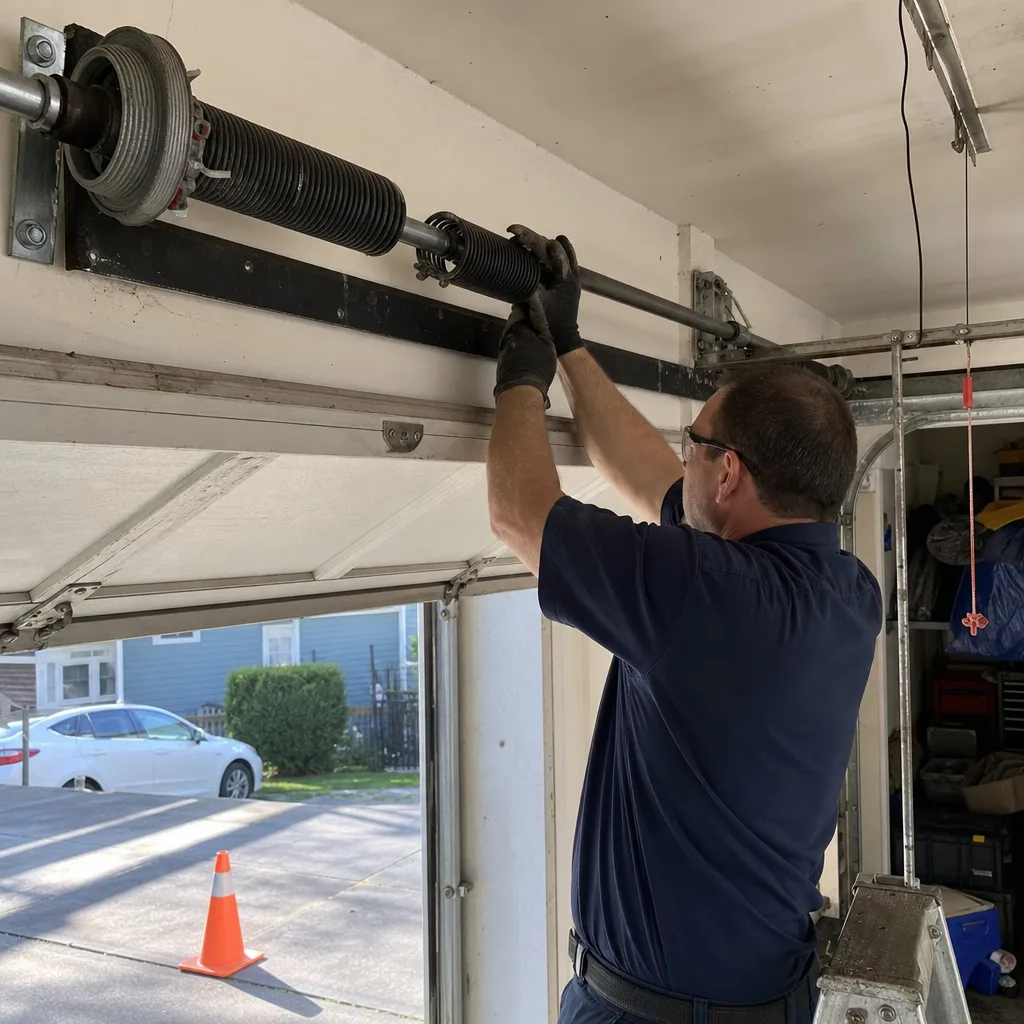
Torsion and extension springs are under extreme tension, and they store enough energy to cause serious injury. Never try to adjust, loosen, or replace a spring yourself, and never cut a cable to “relieve” pressure. If a spring has snapped, the door can weigh hundreds of pounds, and the opener is only designed to lift a balanced door, not a dead weight. That mismatch is what bends panels and strips opener gears.
The warning signs of a spring nearing failure are specific:
- A visible gap in the torsion spring above the door. That’s a clean break, and the door should not be used until it’s replaced.
- Extension springs that no longer have their safety cables run through the center. If a spring breaks without a cable, the loose end can travel a long way.
- A door that feels noticeably heavier when you lift it by hand, even if it still moves.
- An opener that strains and reverses partway through the lift. That’s often a symptom of a tired spring, not a dying opener.
- Loud bangs from the garage when nobody was in it. That’s usually the sound of a spring giving out on its own.
When we visit a Waterbury home for a spring failure, we usually replace both springs at once when they’re the same age, because the second one is almost always on the same clock. Pricing depends on whether it’s torsion or extension and how many springs are involved, which we’ll cover further down. This is the most technical repair in the trade, and it’s the one we spend the most time on during training. Spring repair done right is not something to shop on price alone.
Opener Warning Signs: When the Motor Is the Problem
Not every stuck door has a door problem. It’s common for a homeowner to call us convinced the door itself is broken when the opener is at fault, and just as common to find the reverse. Diagnosis first, then repair. The list below splits the two so you can describe what you’re seeing accurately when you call.
Signs the opener is the problem:
- The opener hums or clicks but the door doesn’t move, and the manual release works fine.
- The wall button works but the remote doesn’t, or vice versa. That points at a receiver or remote, not the door.
- The light on the opener blinks in a pattern after a failed close. Each brand has its own code pattern, and knowing whether it’s a LiftMaster, Chamberlain, Genie, or Craftsman unit matters for reading it.
- The door reverses a few inches off the floor and the opener repeats the cycle. That’s usually a safety sensor alignment issue.
- The opener works intermittently, especially on older units. A failing capacitor or a tired gear assembly is common.
Signs the door is the problem:
- The door binds or catches in one spot, no matter what the opener does.
- The door is unbalanced (fails the manual test above).
- Rollers or hinges are dragging against the track.
- A cable has come off a drum and is wrapping the shaft.
Modern Wi-Fi-connected openers from LiftMaster and Chamberlain have their own failure patterns, and legacy Craftsman and Genie units have others. We’ve worked on all of them, and having a specialist who recognizes your specific unit speeds up the fix. Your opener, our specialty – that’s the point of narrowing down to this trade.
Waterbury Weather, Seals, and Track Movement
Waterbury sits in a climate with real seasonal swings. Cold winters, hot summers, and a lot of freeze-and-thaw in between. That cycle does specific things to a garage door that milder climates don’t see.
- Bottom seals harden and crack. A rubber seal that stayed flexible through spring becomes brittle when it’s exposed to repeated freezing. Once it cracks, cold air and water get under the door, and the door itself starts holding moisture at the bottom panel.
- Wood jambs swell and shift. Older homes around Waterbury, especially on the sloping streets and in neighborhoods with lots of pre-war housing stock, often have wood door frames that move with the seasons. A door that closes cleanly in July can leave a gap by February.
- Metal tracks contract in the cold. Vertical tracks bolt to the wall, and the wall doesn’t move. The track does. Small gaps at the mounting brackets show up as rattles and eventually misalign the rollers.
- Snow and ice pack against the bottom panel. If you clear the driveway but not the threshold, the door is closing against ice. Over time, that warps the bottom section.
- Heat in summer softens the seals again. A seal that survived the winter but dried out will pull away from the bottom retainer in August.
If your door leaves a visible gap at the bottom or you can see daylight at the corners, that’s not just an efficiency problem. It’s an entry point for water, rodents, and cold air, and it’s usually a simple fix. We see more seal and threshold issues in Waterbury in March and April than any other month.
A Four-Step Visual Checklist for Waterbury Doors
A visual inspection once a month catches most of the problems before they become expensive. The whole walk-through takes under five minutes. Do it from inside the garage with the door closed, then again with the door open and the opener off.
- Look at the springs. For torsion doors, check the coil above the door for any visible gap. For extension doors, check that each spring has a safety cable running through its center. A missing cable is a hard stop.
- Check the cables and drums. Cables should be taut and sitting cleanly in the drum grooves. Any fraying, kink, or cable resting outside the drum needs a professional look before you use the door again.
- Inspect the hinges and rollers. Rollers should be round, not flat-spotted, and hinges shouldn’t have backed out of the panel. Nylons rollers wear slower than steel, but both eventually need replacement.
- Run a finger along the bottom seal and the sides. Feel for cracks, hardened rubber, and gaps where the seal has pulled away from the retainer. If your door has a threshold, check that too.
Do the same walk-through after any major storm, any ice event, and any time the door sounds or feels different. We can’t overstate this: the checklist is not a substitute for the balance test or for professional service on springs and cables, but it catches most of the issues early.
Safety Devices You Should Test Every Month
Every modern opener has two safety systems that protect people and pets. Both need testing, and both fail quietly. If either one is broken, the door can close on someone without reversing. That’s the highest-stakes warning sign of all.
The photo-eye test:
- Stand in the path of the door with the door fully open.
- Press the wall button to close the door.
- The door should reverse within a couple of seconds. If it keeps closing, stop and call for service before using the door again.
- Repeat, this time waving a hand in front of one sensor while the door is closing. Same result expected.
The force test:
- Lay a piece of 2×4 flat on the ground in the door’s path, or hold your hand against the bottom edge for the test.
- Close the door normally from the wall button.
- When the door hits the obstruction, it should reverse immediately. If it pushes down before reversing, the force setting needs adjustment.
Photo eyes get knocked out of alignment by a broom, a bike, or a car bumper more often than they fail outright. If your door won’t close, look at the sensor lights first: one should be solid, the other should be on. If either is off or flashing, that’s your answer. The other common issue in Waterbury homes is a sensor that’s pointed at a bright window or a reflective surface, which fools the beam. If your door closes fine at night but not during the day, that’s usually it. Call a technician if the sensors won’t stay aligned after a simple repositioning.
What Garage Door Repairs Typically Cost in Waterbury
Prices vary with the size of the door, whether you have torsion or extension springs, and the brand of the opener. The ranges below reflect typical estimates for Waterbury-area homes, and they’re for planning only. The written estimate is the final word on what you’ll pay, and we quote it before any work starts.
| Repair | Typical Estimated Range (Waterbury) |
|---|---|
| Torsion spring repair (one spring) | $180 – $340 |
| Torsion spring pair (matched set, both replaced) | $360 – $680 |
| Extension spring replacement (per spring) | $150 – $280 |
| Broken cable replacement | $120 – $250 |
| Roller and hinge replacement | $150 – $350 |
| Track straightening or section replacement | $150 – $400 |
| Bottom seal and threshold replacement | $120 – $300 |
| Opener repair (LiftMaster, Chamberlain, Genie, Craftsman) | $150 – $425 |
A note on the spring upgrade: when we replace a single torsion spring, we usually recommend replacing the pair at the same time. The second spring is the same age and usually fails within a short window. Doing both at once is cheaper than two separate visits, and it prevents a second breakdown. The pair price reflects that.
Any estimate you accept should be quoted in writing before we start. If you’re worried about a quote that grows once the technician is in the garage, ask specifically what extra parts or labor could come up. A good technician will be able to tell you the likely range on the phone and confirm it in person.
Common Mistakes to Avoid
- Prying a bent panel straight. A bent section that’s forced back into place usually cracks at the hinge line and needs a full section replacement a few months later. In Waterbury’s freeze-thaw cycle, that crack gets worse fast.
- Ignoring the second spring. If one torsion spring has broken, its twin is on the same wear curve. Replacing one and skipping the other means another service call for the same repair, not a cheaper one.
- Using a broken door “just to get the car out.” A door with a snapped spring or a frayed cable can drop completely and injure whoever’s underneath. Call for service and unload the car by hand.
- Cutting or loosening a spring to “relieve tension.” Springs hold the door’s entire weight. This is what trained technicians are trained for, and it’s the most dangerous mistake in the list.
- Greasing a track. Tracks should be clean and dry. Grease attracts grit and ice, which quietly turns into a track-binding problem every winter.
- Buying a new opener because the door reverses. Reversing is usually a photo-eye or force-setting issue on the opener, or a binding door – not a dead motor. Diagnosis first, replacement last.
- Choosing a general handyman for a spring job. Springs and cables require trade-specific training, and an inexperienced technician risks injury and damage to the door. Stick with a specialist.
See the difference
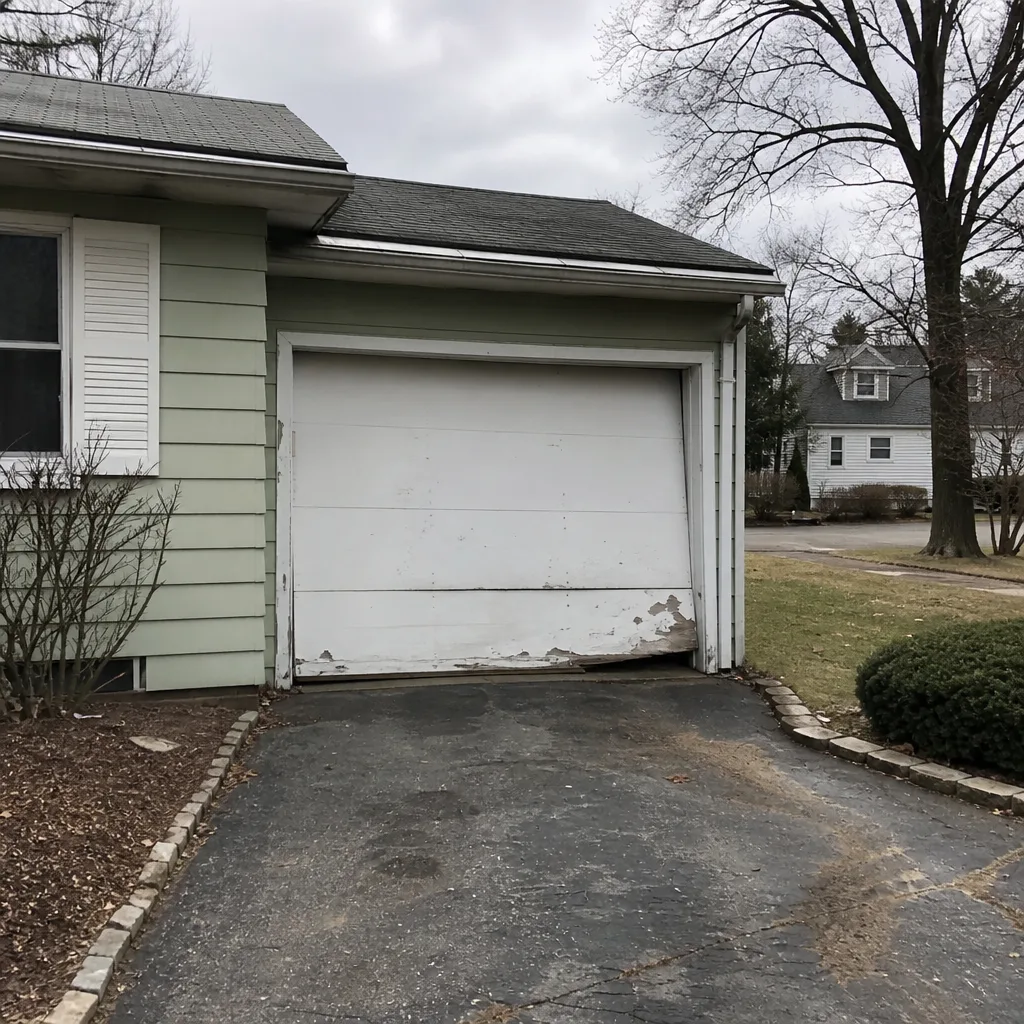 Before
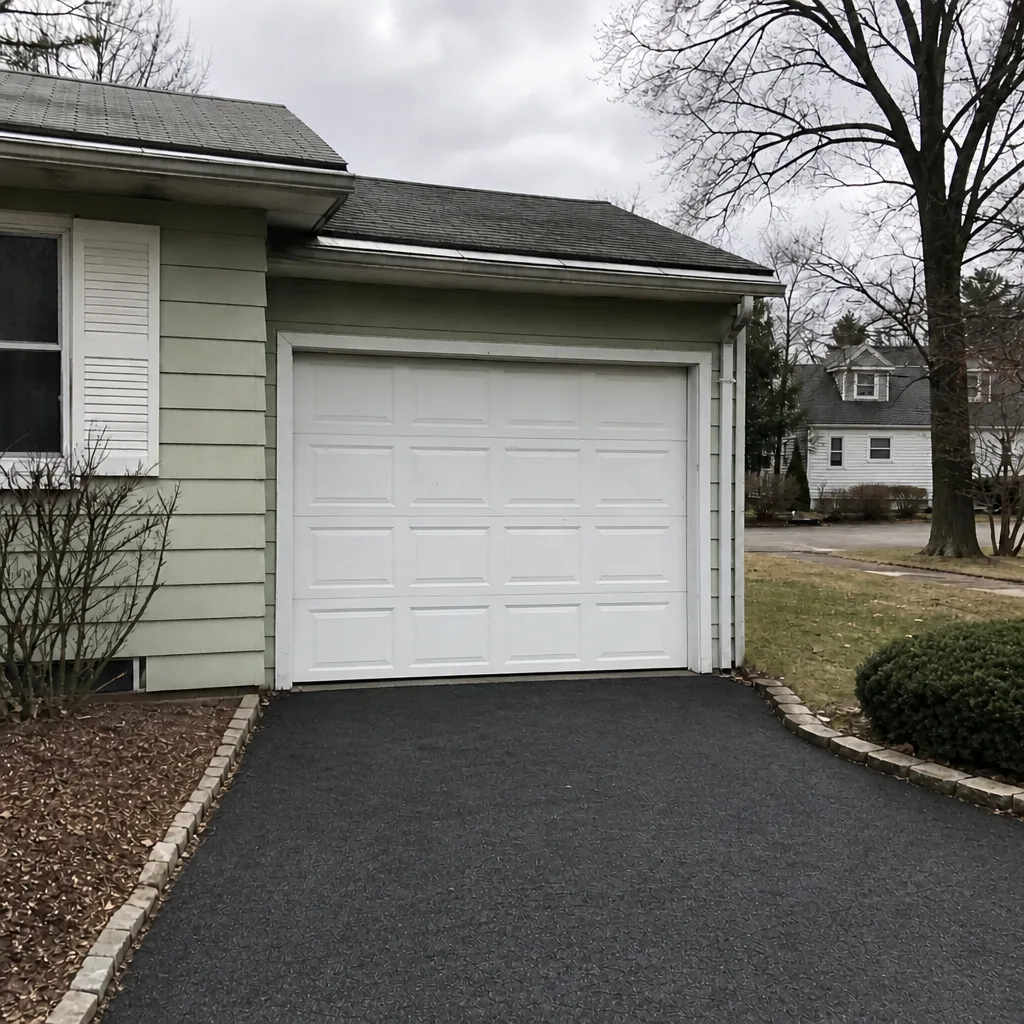 After
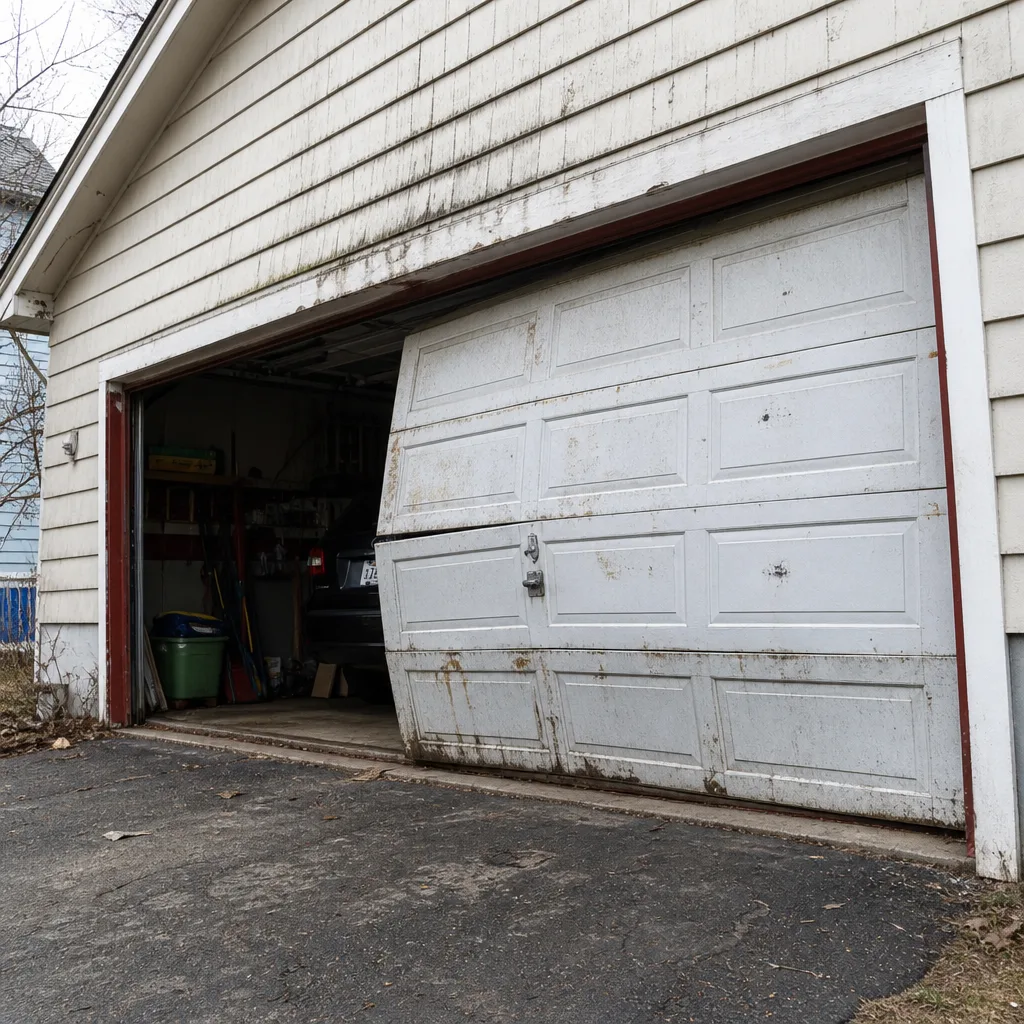 Before
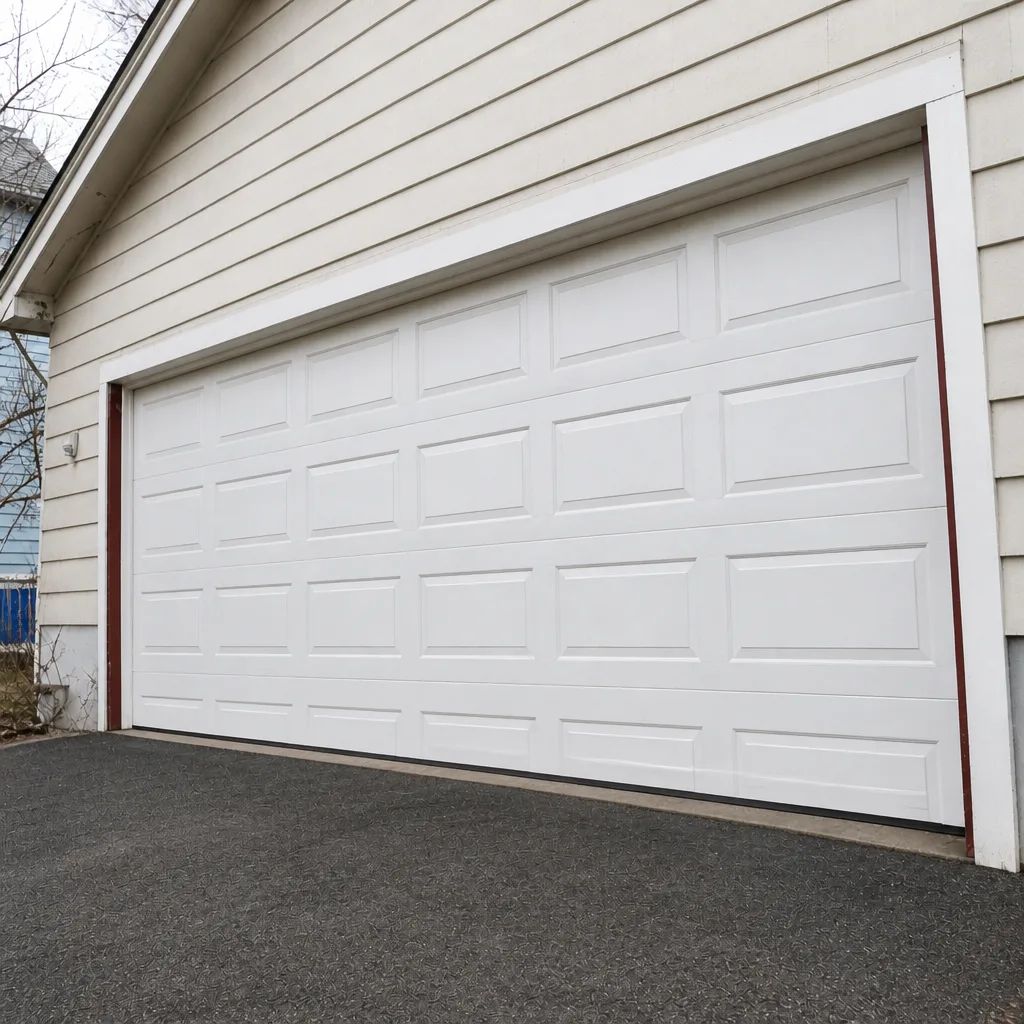 After
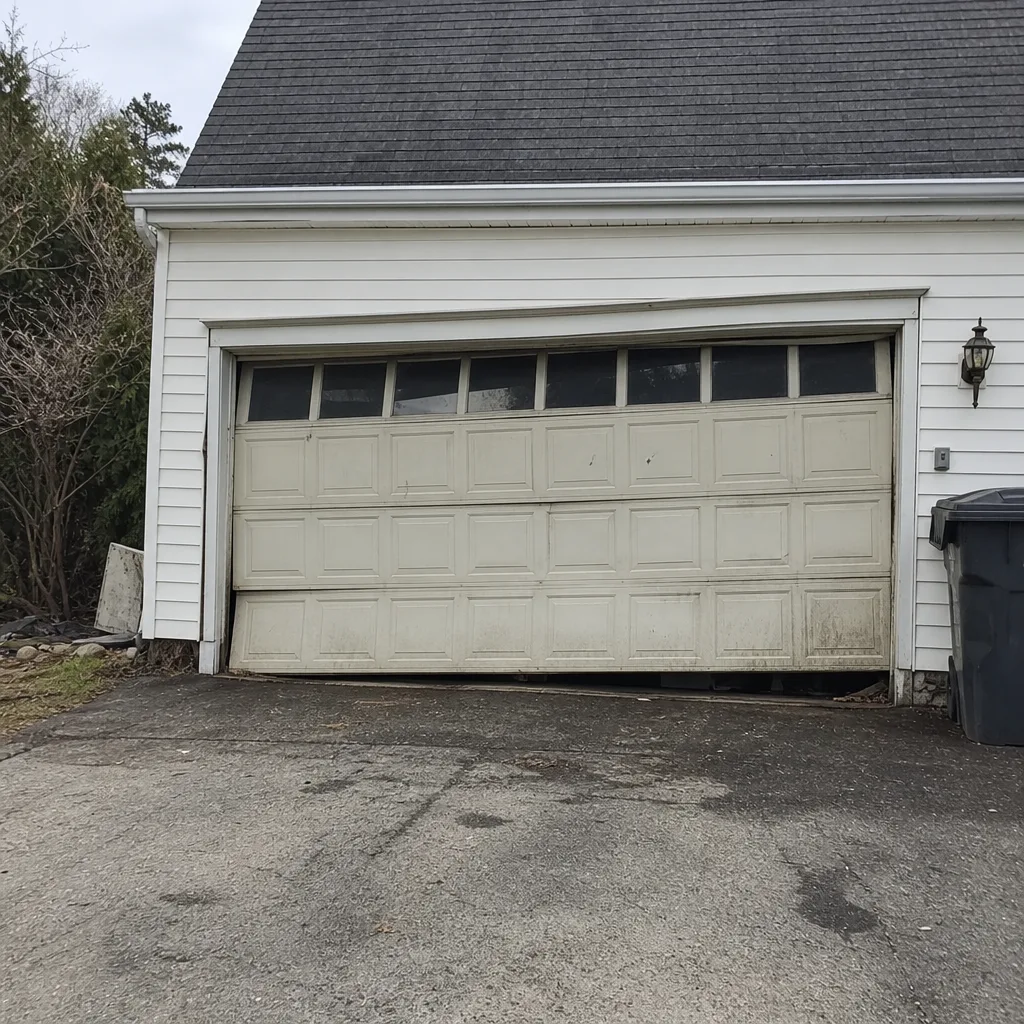 Before
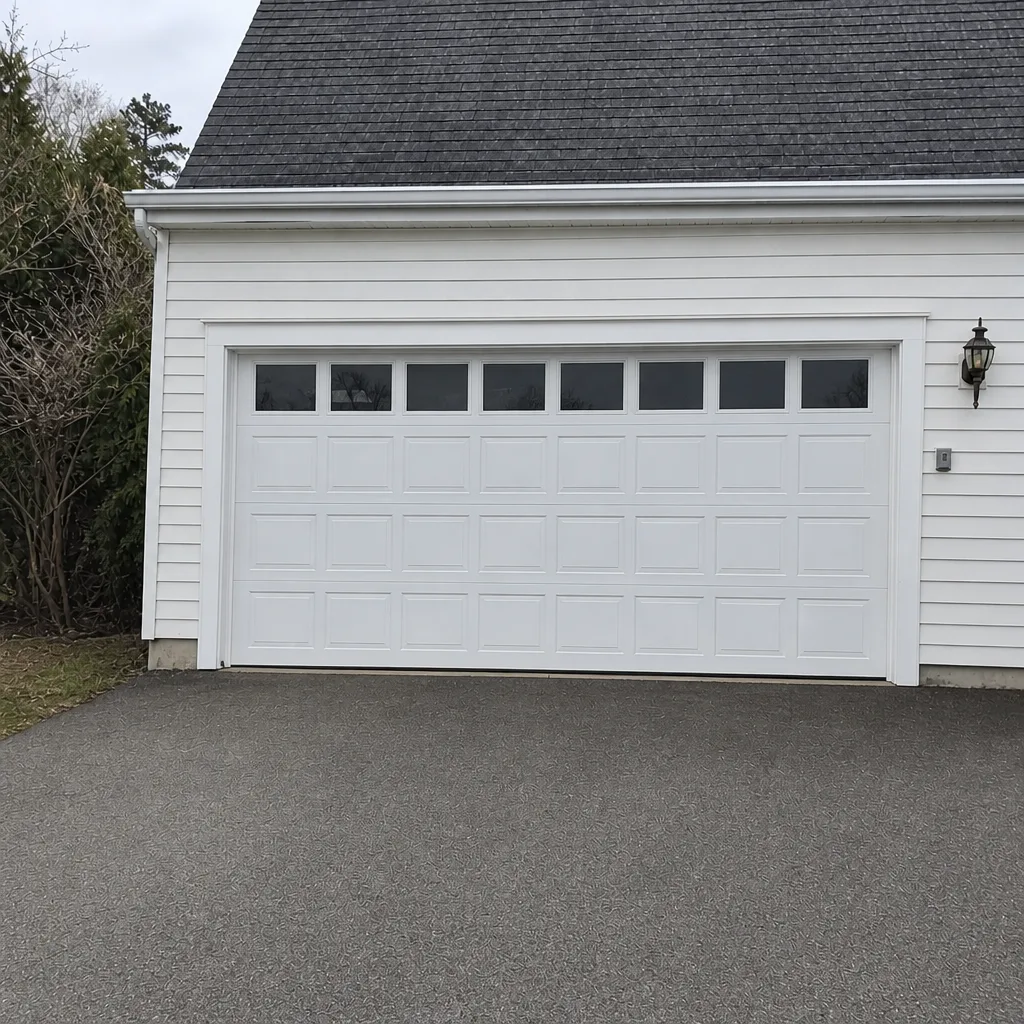 After
When to Call a Professional
Call a trained technician immediately if any of these are true: a spring has visibly broken, a cable is frayed or off its drum, the door hangs unevenly or fails the manual balance test, the opener strains or reverses partway up, the door closes on an object without reversing, or the bottom panel is bent enough to bind in the track. Stop operating the door in the meantime.
For smaller issues – a squeak, a worn seal, a sensor that won’t align, a remote that’s stopped working – call whenever it starts to bug you. Small problems get bigger, and the fix is usually quick. Garage Door Repair Waterbury offers free estimates in Waterbury. We repair the brand you already have (Raynor, LiftMaster, Chamberlain, Genie, and more), diagnose first, and quote the price before any work starts. Call (888) 839-4780 to get a technician out and get you back up and running.
Frequently Asked Questions
Torsion spring repair typically runs $180 – $340 for one spring, and a matched pair is usually $360 – $680. Extension springs are typically $150 – $280 per spring. The written estimate you receive sets the final price, and the pair is often the better value once one side has failed. Call (888) 839-4780 for an exact quote – estimates are free.
For a door that’s completely stuck, we’ll do our best to get a technician out quickly, and repair calls are prioritized. A broken spring or snapped cable that’s left the door unusable gets scheduled as soon as possible. Call (888) 839-4780 and describe what’s happening so we can prioritize correctly.
No. The estimate is quoted and agreed in writing before any work starts. If we find something during the visit that wasn’t in the original quote (a bent track behind a spring, for example), we’ll tell you the price for the additional repair and get your approval before touching it. Nothing gets added to the bill without you saying yes first.
Yes. The local professionals we connect you with are licensed and insured as their state requires, and carry the minimum coverage standard in the trade. We’re happy to answer questions about credentials before we schedule.
A door that opens partway and reverses is usually failing one of three systems: the balance (springs are weak), the safety sensors (a broken beam or misalignment), or the opener’s force setting (too sensitive for a heavier door). The manual balance test tells you which one. If the door is heavy by hand, it’s the springs. If it lifts easily by hand and still stops with the opener, look at the sensors. Call (888) 839-4780 if you’re not sure.
Once a month, and always after a major storm or a season change. The photo-eye and force tests together take under two minutes. Waterbury’s winters add ice and snow to the equation, so test again after the first hard freeze and again once the snow melts. A failed safety test is the one warning sign that shouldn’t wait.
The Bottom Line
The most useful thing you can do for your garage door is pay attention to the small changes: a new noise, a door that’s heavier than it used to be, a gap at the bottom, an opener that needs two tries. In Waterbury, the seasonal freeze-thaw cycle accelerates most of these failures, which is why the checklist is worth doing once a month. Springs and cables are not DIY territory; everything else usually is. When you’re not sure, call a technician and get a diagnosis first. Garage Door Repair Waterbury offers free estimates across Waterbury – call (888) 839-4780 to get a technician out, get a straight answer, and get your door back up and running.
Written by the team at Garage Door Repair Waterbury.