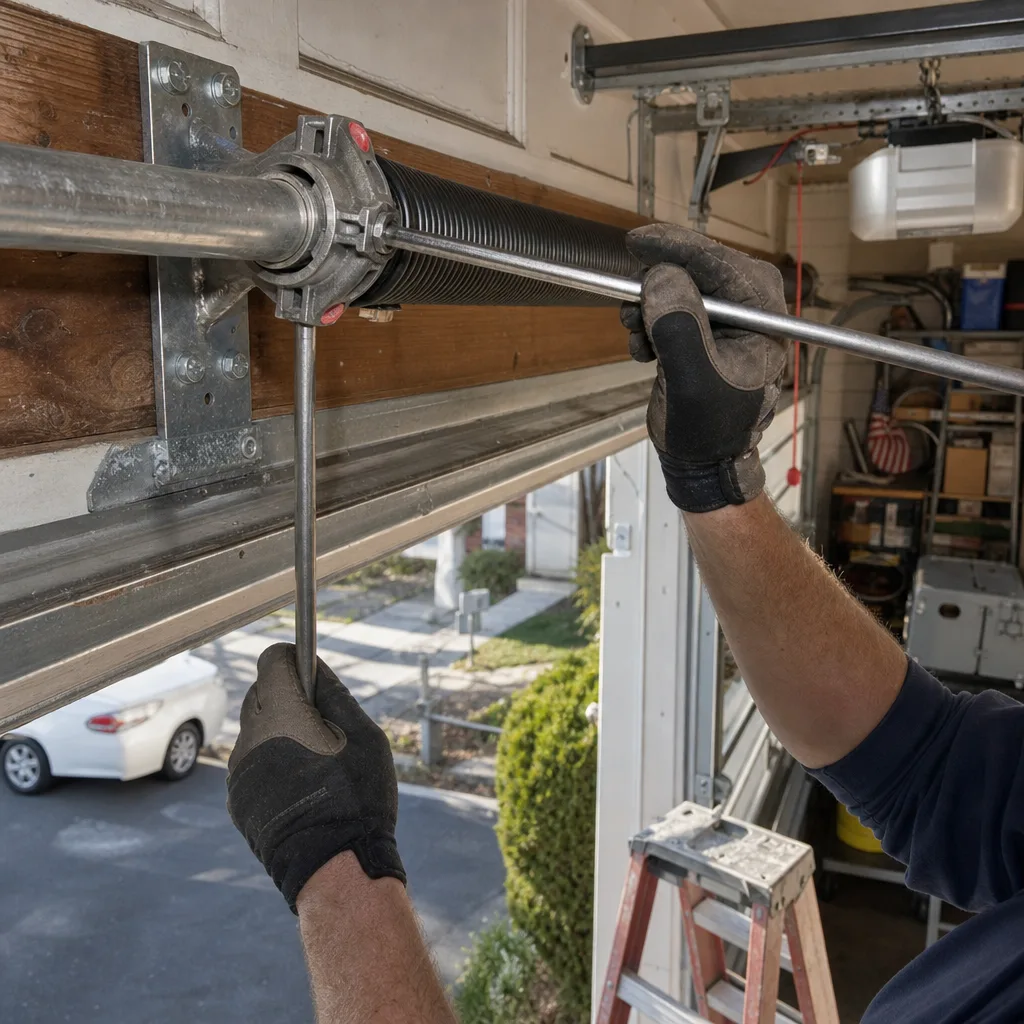
Last updated November 20, 2026
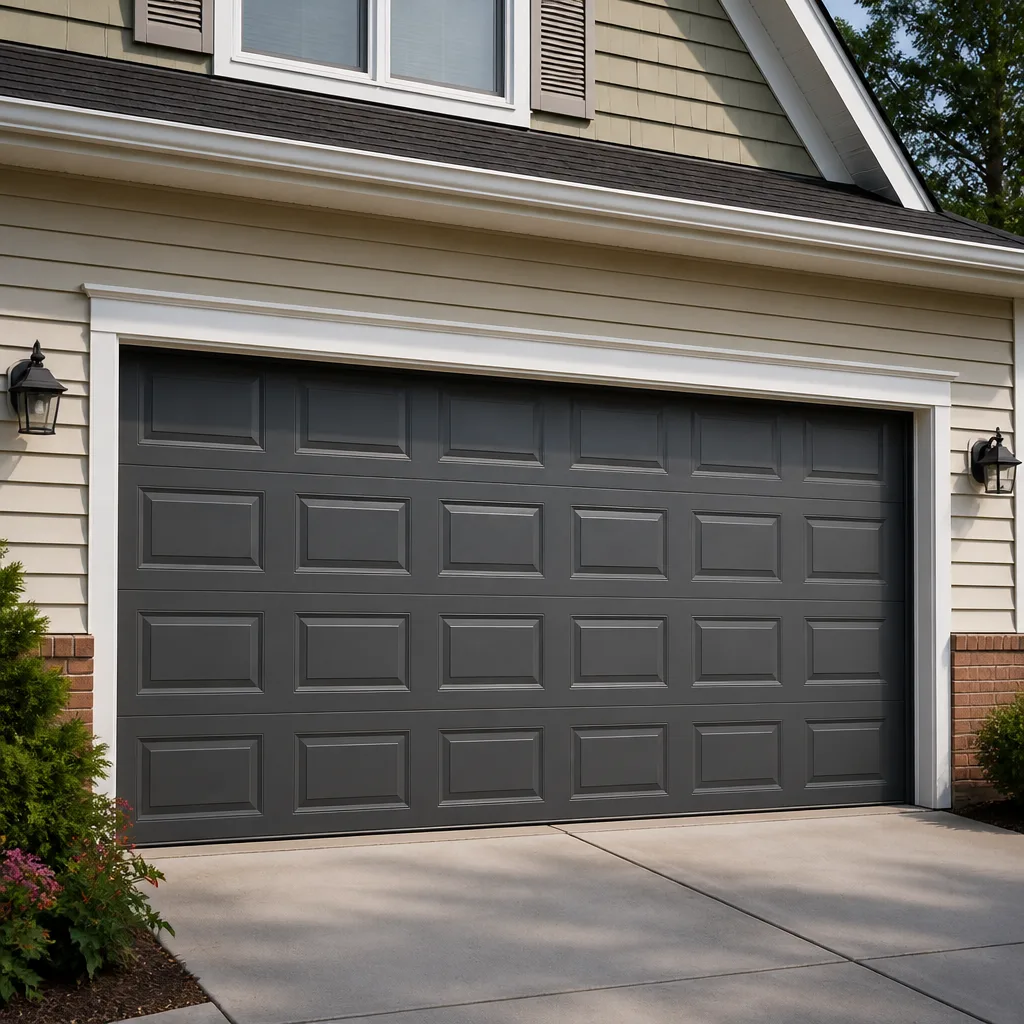 Raised-panel steel
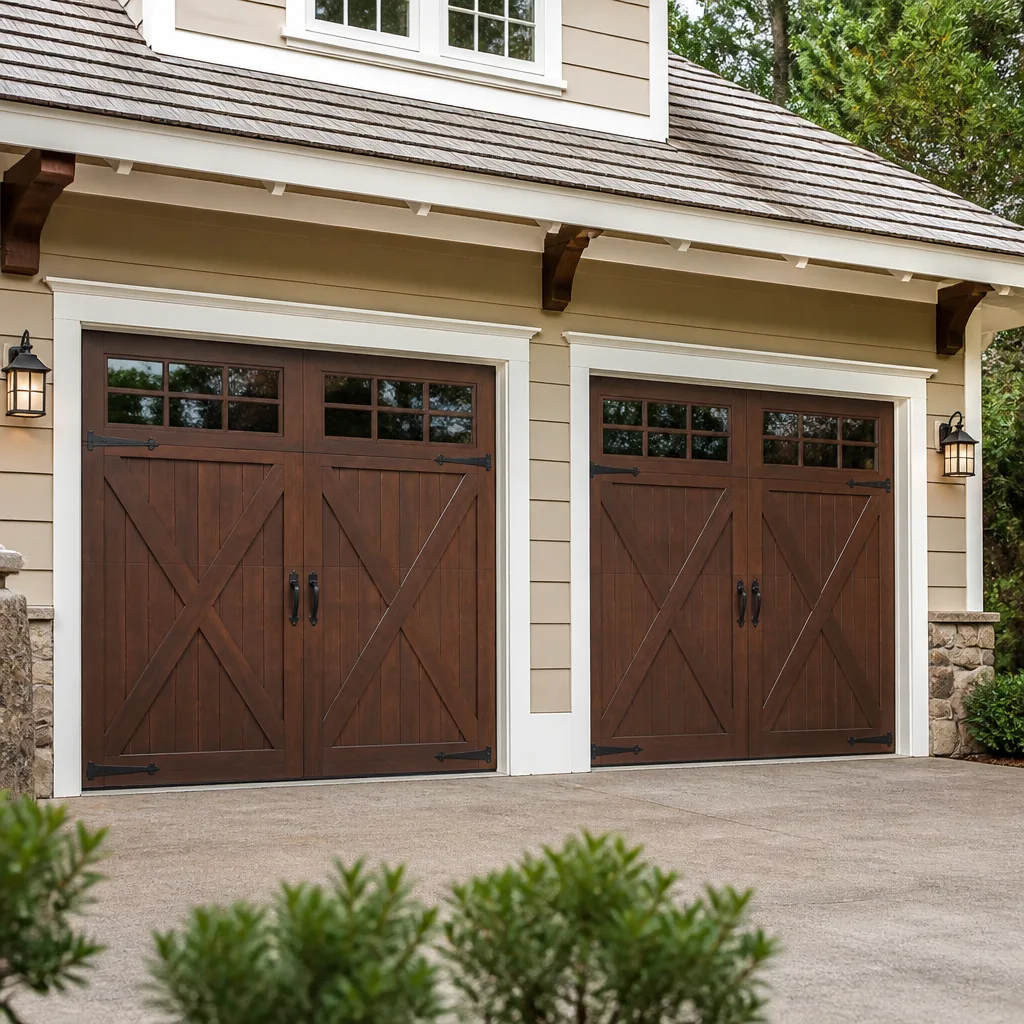 Carriage house
 Modern flush
 Full-view glass
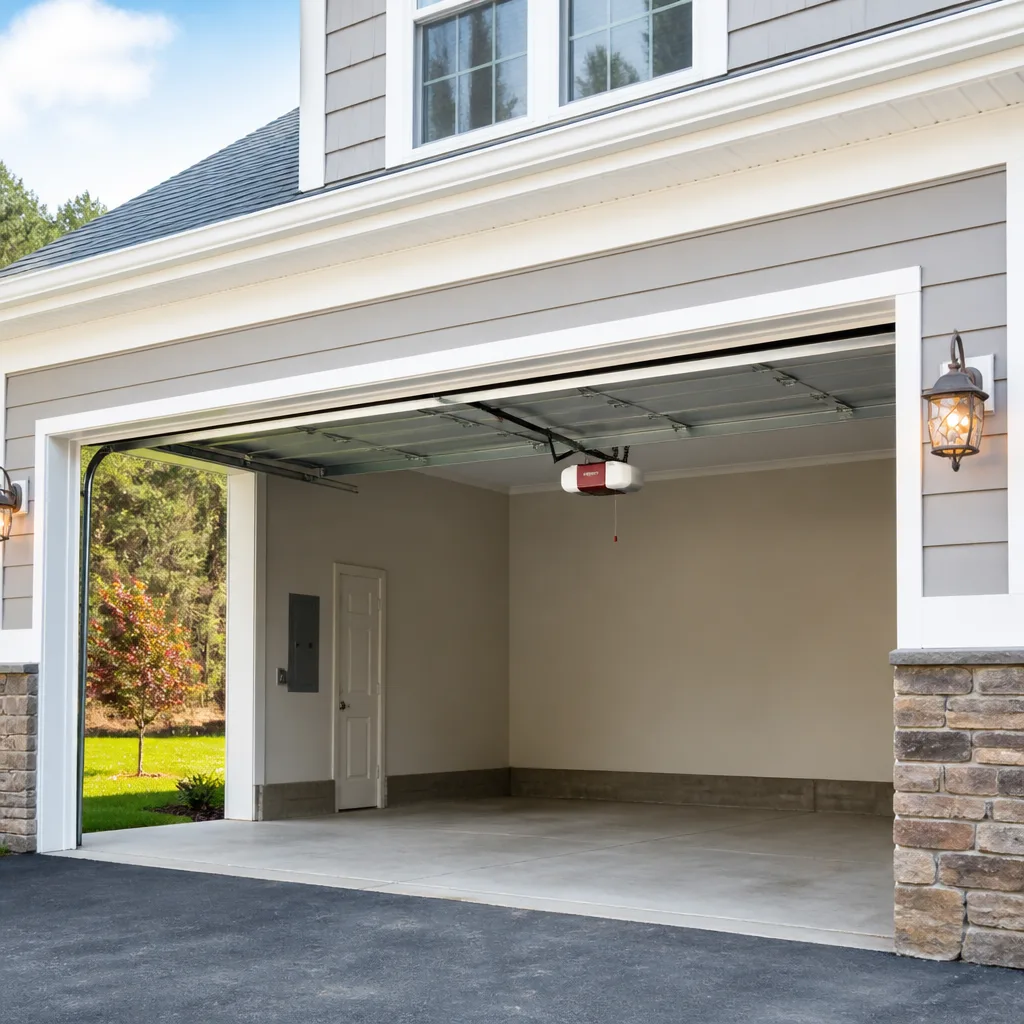 LiftMaster openers
 Chamberlain openers
Full 25-point door and opener safety check with every visit - springs, cables, rollers, tracks, and your LiftMaster or Chamberlain opener included
You get a price before we start. It does not change when the pro arrives.
Get your free estimateSeasonal Garage Door Care for Waterbury: Year-Round Homeowner’s Guide
Most homeowners treat a garage door like a wall: it’s there, it works, and nobody thinks about it until it stops. That’s the mistake. A garage door is a moving machine with springs under serious tension, bearings that dry out, and a motor that fights cold and grit all winter. In Waterbury, that machine faces a specific combination of seasons – humid summers, freeze-thaw winters, and the salt and sand that come with Connecticut road treatment – and each one stresses a different part of the system. Care that lines up with those cycles is what keeps a door quiet and working instead of stranding your car at the worst possible moment. This guide walks through what to check each season, what you can safely do yourself, what should stay in a technician’s hands, and when to call us.
Quick Answer
Seasonal garage door care in Waterbury comes down to four checkpoints: in spring, clear winter grit from the tracks and inspect springs and cables; in summer, lubricate rollers, hinges and the opener chain; in fall, balance-test the door and tighten hardware before the cold sets in; and in winter, keep the bottom seal clean so ice doesn’t bond the door to the floor. Anything involving torsion springs, cables or the opener’s internal wiring should be left to a trained technician. Our technicians have up to 13 years of experience with the systems most common in Waterbury homes.
Styles & brands we work with
- Raised-panel steel
- Carriage house
- Modern flush
- Full-view glass
- LiftMaster openers
- Chamberlain openers
Table of Contents
- Why Garage Door Care Works Differently in Waterbury
- Spring Checklist: Recovering From a Connecticut Winter
- Summer Checklist: Heat, Humidity and Lubrication
- Fall Checklist: Getting Ready for Freeze-Thaw
- Winter Checklist: Ice, Cold and Stiff Hardware
- Why Springs and Cables Are a Professional Job
- Opener Care Through the Seasons
- Common Mistakes to Avoid
- When to Call a Professional
- Frequently Asked Questions
Why Garage Door Care Works Differently in Waterbury
A garage door in Waterbury lives through a wider temperature swing than most of the country. Summer humidity in the Naugatuck Valley sits high for weeks, and winter pulls the mercury down hard enough to change how metal and rubber behave. Those swings matter because a garage door is assembled from materials that expand and contract at different rates: steel panels, aluminum tracks, nylon or steel rollers, rubber seals, and the torsion springs that carry the door’s weight. When the parts move at different rates, fasteners loosen and seals pull away.
The other local factor is road salt and sand. Waterbury gets treated roads all winter, and all that grit ends up on the garage floor and in the door’s tracks. Salt is abrasive and mildly corrosive; sand is abrasive, period. Left in the tracks, it grinds down rollers and accelerates wear on the hinges. Clearing it out as part of your spring routine is one of the highest-value things you can do for the door.
Waterbury’s housing stock matters too. Many homes in neighborhoods like Bunker Hill, Wolcott and the East End have attached garages that share a wall with living space, which means a door that seals poorly in winter lets cold air and moisture into the house. Doors on older homes are often original equipment – Clopay, Wayne Dalton and Raynor models are common – and the opener in the ceiling may be a Genie or Craftsman unit that has been cycling for a long time. Knowing what you own is the first step to caring for it.
Seasonal care isn’t about elaborate maintenance. It’s about matching the work to what each season actually does to the door. The rest of this guide breaks that down season by season.
Spring Checklist: Recovering From a Connecticut Winter
Spring is the most important checkpoint of the year. A Waterbury winter leaves behind grit, moisture and loosened hardware, and the door has just finished its hardest stretch of service. Do the work in this order:
- Clear the tracks. Use a stiff brush or a vacuum to remove sand, salt and debris from both the vertical and horizontal track sections. Don’t use a wet rag on the tracks – you’ll just push grit into the rollers.
- Wipe down the door panels. Winter road film holds moisture against painted steel. A mild soap-and-water wash removes it before it starts working on the finish.
- Inspect the weather seal. Look along the bottom rubber for cracks, flat spots or sections pulling away from the retainer. A seal that failed over winter lets water into the garage during spring rain.
- Check the springs visually. With the door closed, look at the torsion springs above the door or the extension springs along the sides. A visible gap in a torsion spring, or a stretched or kinked extension spring, means the door needs a technician.
- Lubricate rollers, hinges and the opener chain with a garage-door-specific lubricant – not WD-40, which is a solvent, not a lasting lubricant.
- Test the balance. With the door closed and the opener disconnected, lift the door halfway by hand. It should stay there. If it drops or rises on its own, the springs need attention.
- Test the safety reverse. Place a roll of paper towels under the door and close it. The door should reverse on contact.
That last item isn’t cosmetic. A door that doesn’t reverse is a safety issue for kids, pets and anyone walking under it. If your door fails the reverse test, stop using the opener and call us – it’s a quick fix, but not one to put off.
Summer Checklist: Heat, Humidity and Lubrication
Summer is easy on springs but hard on everything rubber and everything that needs lubrication. Waterbury humidity does a number on door seals, and the heat accelerates oxidation on hardware that isn’t protected. This is also the easiest season to do preventive work without freezing your hands off, so take advantage.
- Reapply lubricant to rollers, hinges and the opener rail. Summer heat can thin some lubricants faster; a fresh coat in June lasts through the humid stretch.
- Check the door’s alignment. Look at the gap under the door from inside. Is it even across the width, or does one corner sit higher? An uneven gap points to loose hardware or a track that has shifted.
- Test the opener’s force settings. Most modern openers – LiftMaster and Chamberlain units especially – have a learn button and adjustable force limits. If the door reverses unexpectedly or struggles to close, the setting may need a small adjustment. If you’re not comfortable doing this, a technician can set it in minutes.
- Check the photo-eye sensors. Clean the lenses and confirm the sensors see each other. Summer sun angles can hit the sensors directly and confuse them; a short shield or a small reposition usually solves it.
- Listen. A door that has started to squeak, grind or rattle in summer is telling you something is wearing. Catch it now, before winter makes it worse.
Summer is also a good time to think about whether the door is pulling cool air out of the house. Attached garages in Waterbury often share a wall with living space, and a door with a worn bottom seal lets the air conditioner work harder than it should.
Fall Checklist: Getting Ready for Freeze-Thaw
Fall is the second-critical checkpoint, and the one most homeowners skip. Everything you do before the first hard freeze saves you work and stress in January. Waterbury freeze-thaw cycles are the harsh part: water seeps into gaps, freezes, expands and pushes things apart. The goal of fall care is to remove the water’s path in.
- Tighten all visible hardware. Use a socket wrench on the hinge bolts and roller brackets. Loose hardware rattles, but more importantly, loose hardware lets tracks shift.
- Inspect and replace the bottom seal if needed. A cracked or flattened seal is the single most common winter complaint we hear. It’s a low-cost part and it prevents ice from bonding under the door.
- Check garage ventilation. Look at the vents and any gaps in the walls. If you’ve had condensation problems in past winters, address the source, not the symptom.
- Clear the exterior threshold. Remove leaves, sand and debris from the strip of concrete in front of the door. Anything that holds moisture against the seal becomes ice in December.
- Recheck the balance and reverse tests. If either fails now, you have weeks to schedule a fix rather than hours.
- Check the opener’s battery backup if it has one. Many LiftMaster and Chamberlain models use a backup battery that needs checking; a winter power outage is not when you want to learn it’s dead.
If your door’s tracks look visibly out of alignment, don’t try to adjust them yourself. Track alignment is a spring-adjacent job – a door that comes out of its tracks under tension is a serious safety concern.
Winter Checklist: Ice, Cold and Stiff Hardware
Winter is when a small problem becomes an emergency. Cold stiffens lubricant, metal contracts, and springs carry more load when the door’s panels and seals are less cooperative. This is the season to leave the door alone unless something’s actually wrong, and to be gentle with it when it’s working.
- Keep the bottom threshold clear of snow and ice. Don’t chip ice with a shovel – you’ll damage the seal and possibly the door panel. Use a broom or a plastic scraper.
- Don’t force a frozen door. If the door won’t open, don’t hold the button down and hope. The opener’s force limiter will either give up or the door will strain the springs. Clear the ice first or call us.
- Watch for ice dams at the bottom of the door. If meltwater runs down the door and refreezes at the threshold, it can bond the seal to the floor. Sand or a small amount of ice melt on the outside strip helps.
- Never use salt on the door or tracks. Salt accelerates corrosion on the rollers, hinges and springs. Clear the floor, sweep the tracks, but don’t put salt where it can reach the mechanism.
- Lubricate with a cold-rated garage door lubricant. If your door gets stiff in December, a cold-rated lubricant will see you through to spring.
If a spring breaks in winter – and they often do, because cold metal is less forgiving – stop using the door immediately. A broken torsion spring makes the door unsafe to lift by hand and dangerous to operate with the opener. We can help you get back up and running; call (888) 839-4780.
Why Springs and Cables Are a Professional Job
Torsion springs hold hundreds of pounds of force, and cables are under continuous tension any time the door is up or down. These are the parts that make garage doors the most dangerous mechanical system in a home, and they are exactly where a homeowner’s DIY instinct can get someone hurt. We say this as a calm fact, not to scare you: adjust, remove or replace a torsion spring or cable only if you have been trained on the specific system, and most homeowners haven’t been.
Here’s what a trained technician actually does on a spring job, so you know what to expect:
- Identify the system. Torsion vs. extension, wire size, spring length and door weight all determine which replacement spring goes in. The wrong spring will wear out fast or fail immediately.
- Wind down the tension safely using the proper winding bars and technique.
- Inspect cables, drums and bearings while the door is under no tension – this is the only safe time to catch a worn cable before it snaps.
- Install matched springs and rebalance the door.
- Cycle-test and adjust the opener’s force settings to match the new spring tension.
This matters more in Waterbury than in milder climates because of the temperature swing – springs that see 90°F summers and single-digit winters go through more thermal cycling, and thermal cycling is what eventually fatigues metal. A spring that’s nearing the end of its life often fails right at the first cold snap. If your door is 7-10 years old and the springs have never been replaced, plan for it now rather than waiting for it to break.
Opener Care Through the Seasons
Your opener is the brain of the system, and it’s the part most likely to be blamed for problems that start elsewhere. A door that’s hard to open because the springs are tired makes the opener work harder, which shortens the opener’s life. Keeping the two in balance is what seasonal care is really about. Our garage door repair Waterbury team handles opener problems of many brands, and the work usually starts with asking whether the door or the opener is the source.
General care across the seasons:
- Spring: Lubricate the opener chain or belt. Listen for a new clicking or grinding sound – it often means the chain needs tensioning or a gear inside the unit has started to wear.
- Summer: Test the safety reverse and photo-eye sensors. Clean the sensors. Check the manual release – it should pull smoothly and reconnect cleanly.
- Fall: If your opener uses a battery backup, check the battery. If it’s a smart opener, confirm the Wi-Fi connection is solid so you can monitor the door over winter.
- Winter: Don’t force the door if it’s stiff. Cold-weather opener problems are usually a symptom of a cold-weather door problem.
Brand matters here. A LiftMaster or Chamberlain opener has different force and travel-limit adjustments than a Genie. When a technician arrives knowing the model family, diagnosis is faster and the fix is more accurate. That’s why we focus on the brands homeowners already own – if your opener is a LiftMaster, Chamberlain or Genie, we know the failure patterns before we open the housing.
Common Mistakes to Avoid
- Using WD-40 as a lubricant on the tracks. WD-40 is a solvent that displaces water and then evaporates. It leaves tracks dry, attracts grit, and over time makes the rollers wear faster. Use a garage-door-specific lubricant instead.
- Lubricating the tracks themselves. Tracks should be clean and dry. Lubricant on tracks makes the rollers slip instead of roll, and that shortens their life.
- Ignoring a door that reverses for no reason. In Waterbury, a door that reverses on its own is often the opener’s safety settings, a misaligned photo-eye, or a door that’s started to bind. Don’t just press the button again – diagnose the cause.
- Trying to adjust a torsion spring yourself. This is the single most dangerous mistake a homeowner can make with a garage door. If the spring is visibly damaged, stop and call a professional.
- Shoveling snow against the door and calling it done. Snow piled up against the seal melts into ice at the threshold. Clear it with a broom, not with a shovel blade against the seal.
- Putting salt on the garage floor in winter. Salt reaches the rollers, hinges and springs, and accelerates corrosion. Use sand or a non-salt ice melt product instead.
- Assuming a noisy door needs a new opener. A door that rumbles and rattles is usually telling you the springs, rollers or hinges are tired. Diagnosis first, then decide – a repair is almost always less expensive than a replacement opener.
When to Call a Professional
Most seasonal care is within a homeowner’s reach. But some problems need a trained technician, and getting it wrong can be expensive or dangerous. Call us if any of the following applies:
- A spring has visibly broken or a door won’t lift by hand.
- A cable has snapped or looks like it’s hanging loose.
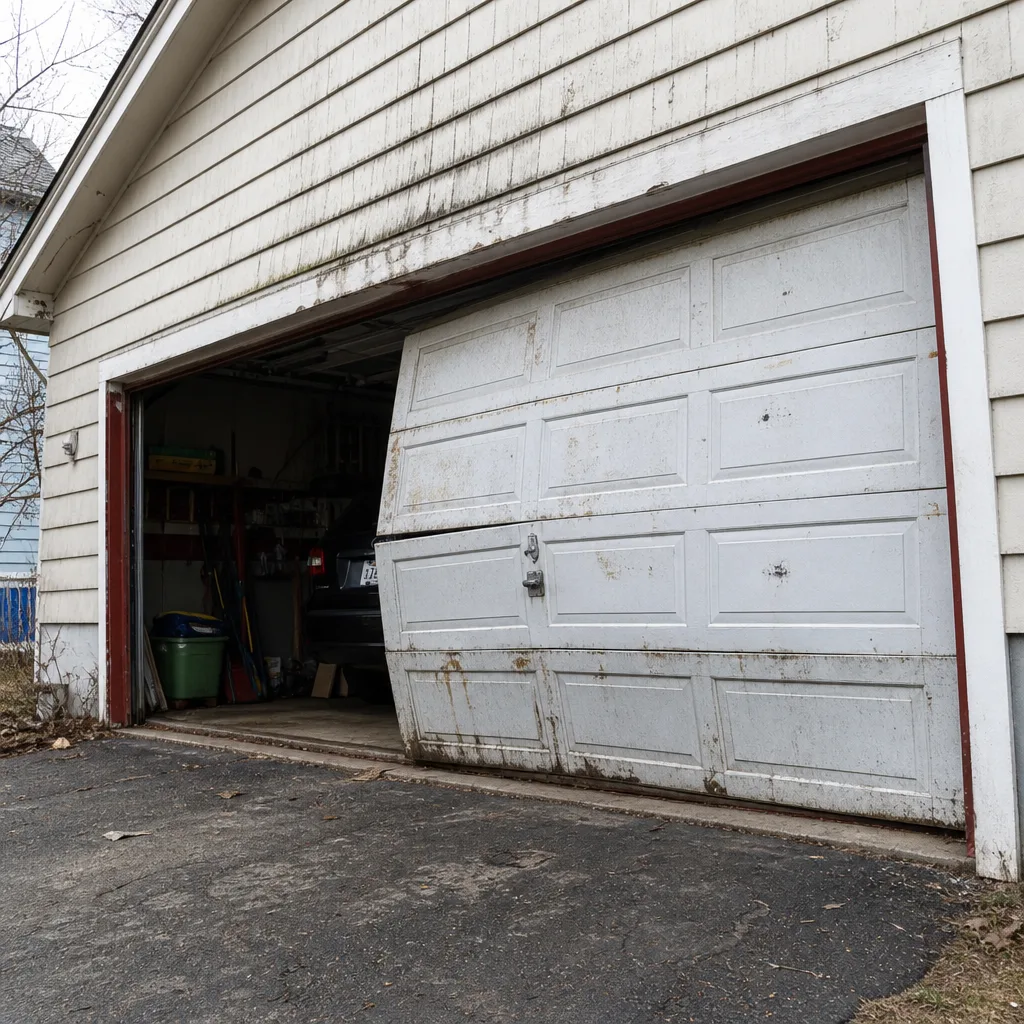
- The door has come out of its tracks or is leaning visibly to one side.
- The door reverses unexpectedly or won’t close fully.
- The opener is clicking but the door doesn’t move, or the opener fails the safety reverse test.
- A panel is dented enough to bind the door against the tracks.
- The door is loud, stiff or hard to open after a cold snap and stays that way.
Garage Door Repair Waterbury offers free estimates in Waterbury. Call (888) 839-4780 to get a diagnosis and a written price before any work starts. We repair the brands you already have – LiftMaster, Chamberlain, Genie, Clopay, Amarr, Wayne Dalton, Craftsman and Raynor – and our default is to fix what’s wrong, not sell you a new door.
Frequently Asked Questions
Twice a year – once in spring, once in fall – is the right cadence for most Waterbury homes. Spring care clears winter grit and checks the springs; fall care gets the door ready for freeze-thaw cycles. If the door is 7-10 years old or the springs have never been replaced, an annual technician check is worth adding.
No. A torsion spring is under hundreds of pounds of tension, and adjusting or replacing it without the proper tools and training is genuinely dangerous. Call a professional. This is the one maintenance area where we’d always rather you call us than try it yourself.
Cold weather thickens lubricant, stiffens rubber seals and shrinks metal – all of which make the door harder to move. A cold-rated lubricant in fall helps, as does keeping the bottom threshold clear of ice. If the door is still stiff after those steps, the springs or rollers are likely the cause and a technician should look at it.
Yes, mainly the seals, paint finish and exposed hardware. Summer humidity in Waterbury can cause a bottom seal to swell or crack, and painted steel will start to corrode if road film from the winter isn’t washed off in spring. Lubricate the moving parts in early summer and recheck the door’s alignment.
No – the written estimate is the price. We diagnose first, quote in writing, and you decide before any work begins. If we find something unexpected once work is underway, we stop and talk to you before proceeding. Call (888) 839-4780 for a free estimate.
They reduce them. A door that’s cleaned, lubricated and balanced twice a year lasts longer and fails less often than one that’s ignored. They don’t prevent spring fatigue – which is a wear item – but they catch the wear early, which is when fixing it is cheapest. Call (888) 839-4780 to schedule a check.
The Bottom Line
Seasonal care for a garage door in Waterbury comes down to four checkpoints and one rule. The checkpoints: clear and inspect in spring, lubricate and test in summer, tighten and seal in fall, and go gentle in winter. The rule: springs and cables are a professional job, always. Everything else is largely within reach, and the effort pays back in a quieter door, a longer lifespan, and fewer emergency calls on the coldest morning of the year. If something’s wrong and you’re not sure, the diagnosis is free.
Call (888) 839-4780 for a free estimate in Waterbury.
Written by the team at Garage Door Repair Waterbury.
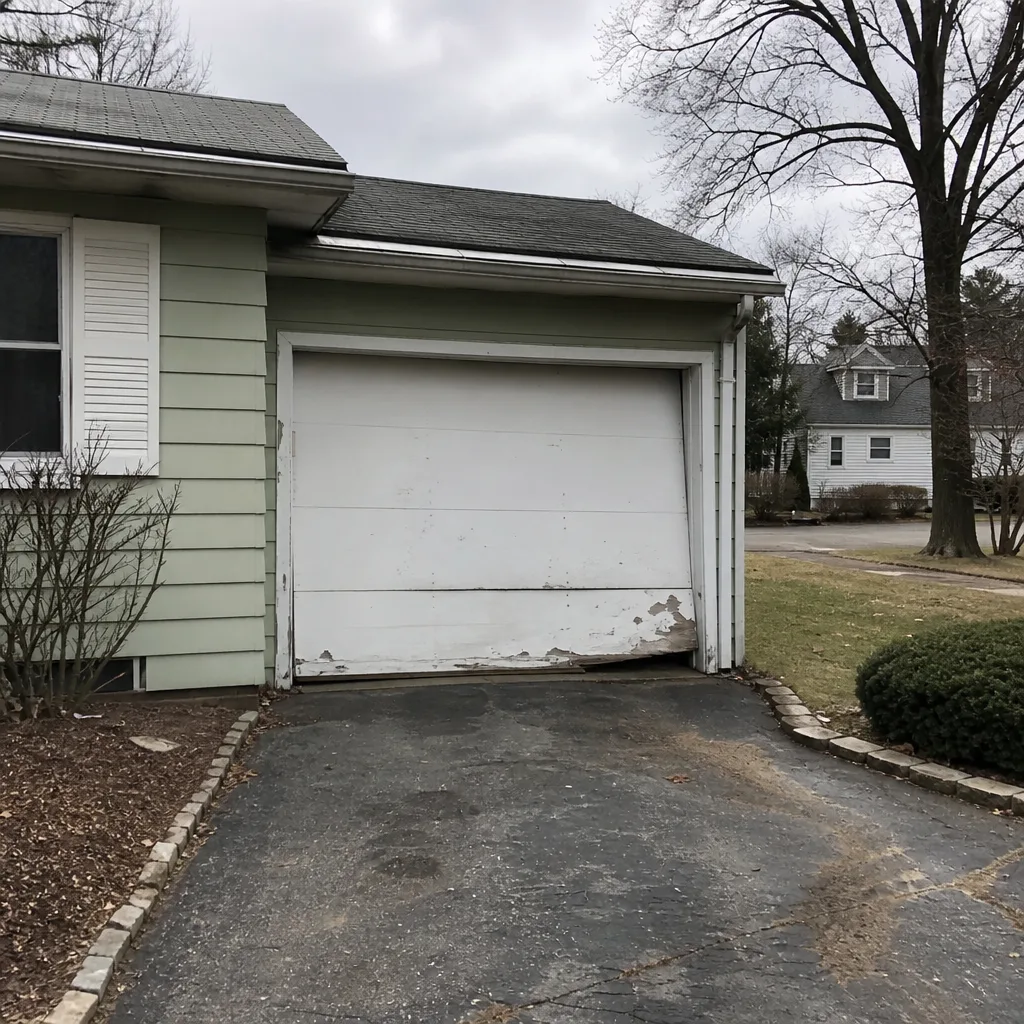
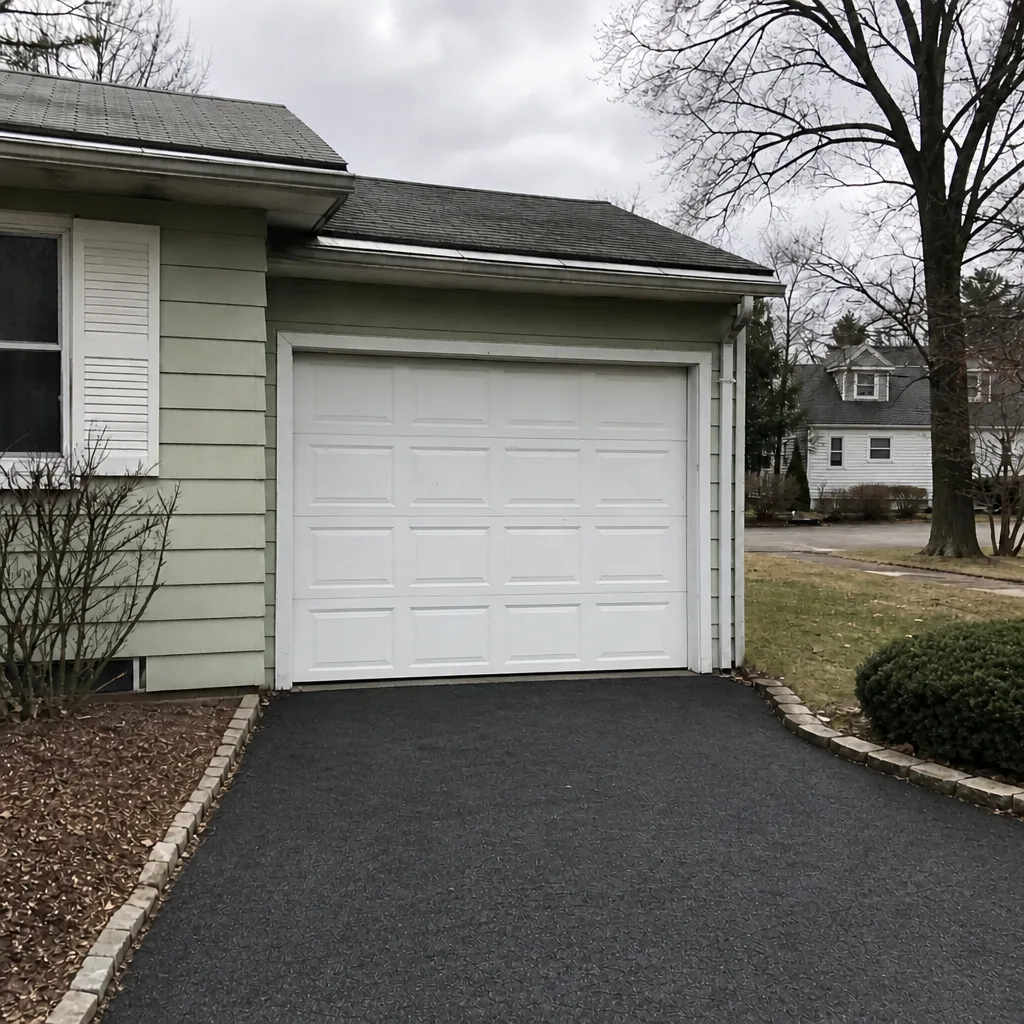
See the difference
 Before
 After
 Before
 After
 Before
 After