Last updated November 20, 2026
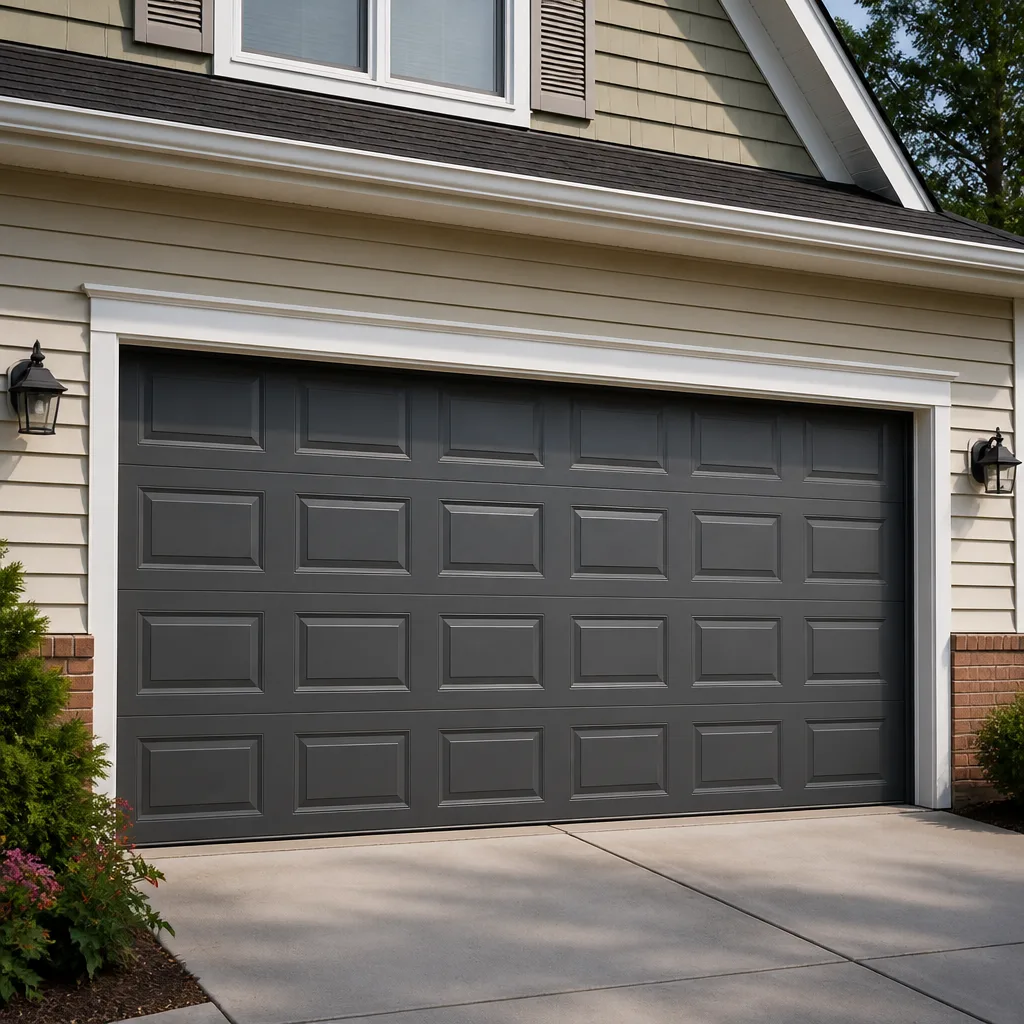 Raised-panel steel
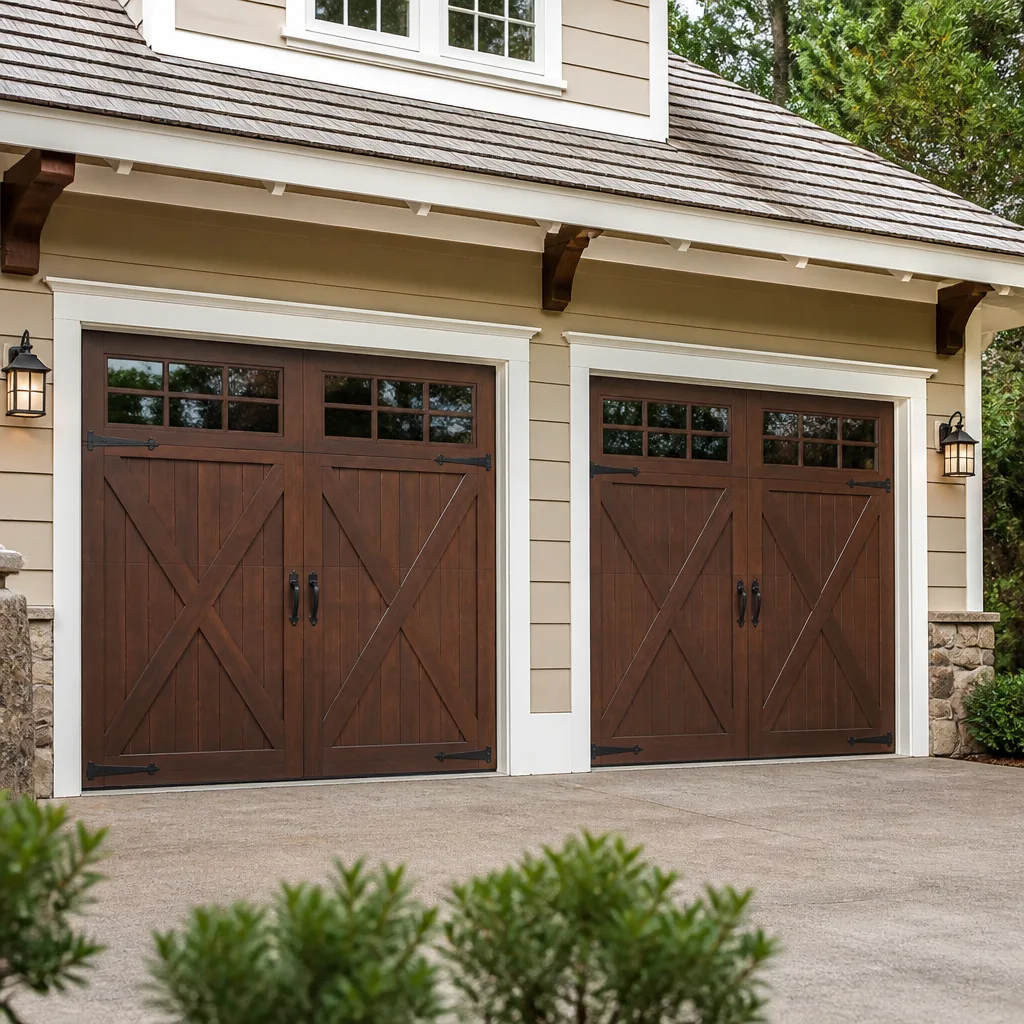 Carriage house
 Modern flush
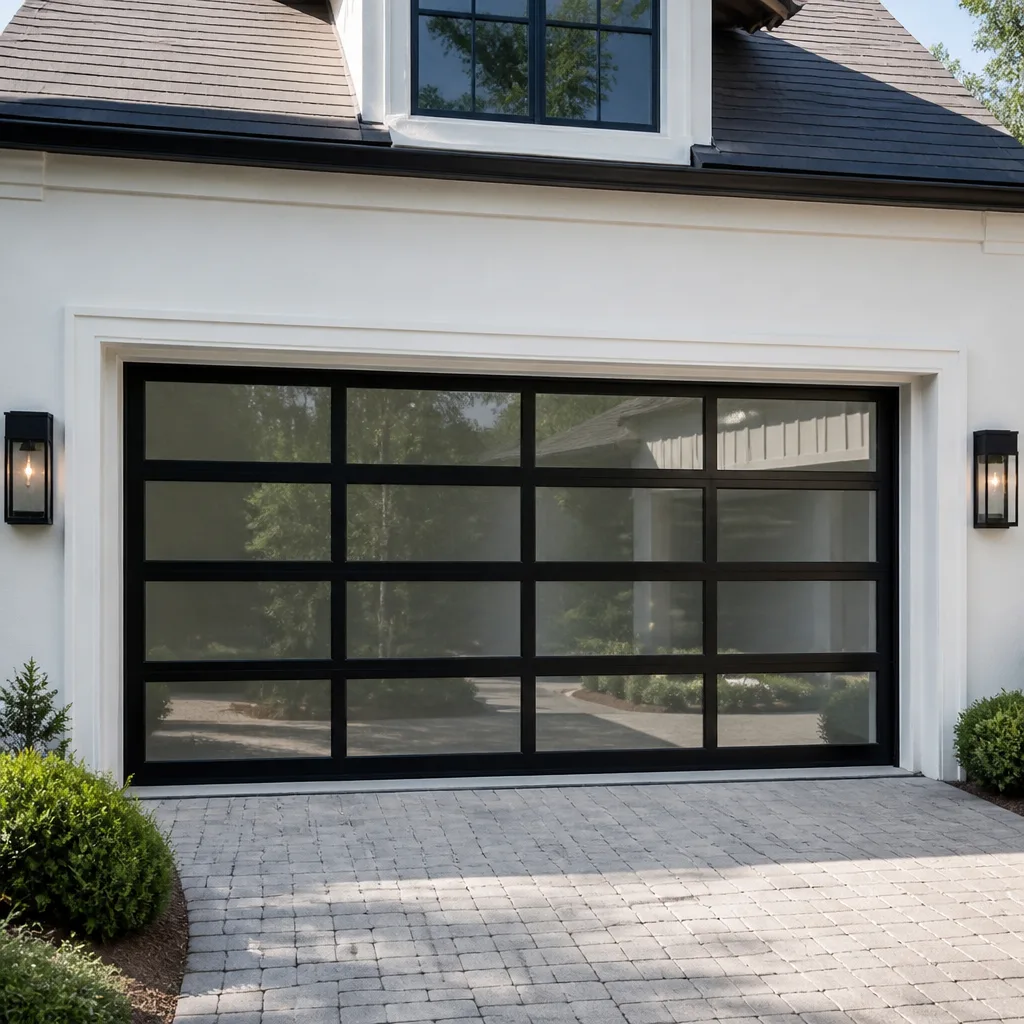 Full-view glass
 LiftMaster openers
 Chamberlain openers
Full 25-point door and opener safety check with every visit - springs, cables, rollers, tracks, and your LiftMaster or Chamberlain opener included
You get a price before we start. It does not change when the pro arrives.
Get your free estimateGarage Door Permits, Codes & Inspections in Waterbury, CT: What You Need to Know
Most Waterbury homeowners assume a garage door project needs a permit. In many cases, it doesn’t. Replacing a broken spring, swapping an opener, or fixing a bent section of track is repair work, and repair work usually doesn’t trigger the city’s permitting process. The confusion comes from the word “replacement,” which gets used loosely for everything from a $12 roller to a full door. This guide sorts out what actually needs local permits in Waterbury, what the state code requires of the door itself, how inspections work when one is triggered, and where the line sits between a repair you can schedule normally and a job that has to go through the building department first.
Quick Answer
In Waterbury, routine garage door repair usually does not require a permit, while full door or opener replacement may require one depending on what’s being changed and what the city’s building department decides. Connecticut’s building code sets the safety requirements the finished work has to meet, and inspection is arranged through the city. The exact rule for your project comes from the Waterbury Building Department, so it’s always worth a call before the work begins.
Styles & brands we work with
- Raised-panel steel
- Carriage house
- Modern flush
- Full-view glass
- LiftMaster openers
- Chamberlain openers
Table of Contents
- Does a garage door repair need a permit in Waterbury, CT?
- When does a garage door project require a permit in Waterbury?
- What Connecticut’s building code requires of a garage door
- How garage door inspections work in Waterbury
- Openers, electrical work, and when a licensed electrician is needed
- How to check the permit status of a contractor in Waterbury
- Waterbury weather, older housing, and door safety
- Common mistakes to avoid
Does a garage door repair need a permit in Waterbury, CT?
No, most garage door repairs in Waterbury do not need a permit. Repair means restoring the door to the condition it was already approved in, not changing what’s installed. That distinction covers a lot of ground. A snapped spring, a worn cable, a bent hinge, a stripped gear in an opener, a track knocked out of alignment after a bump with the car: these are repair jobs. The door’s original approval stays intact because you aren’t changing the door itself.
The word “repair” gets stretched in ways that cause trouble. If you’re putting a new door panel on a door that never existed in that configuration, or swapping a standard door for something with a different label or rating, that’s closer to replacement than repair. When we’re unsure, we ask the city before quoting. It’s quicker than getting it wrong.
A short list of jobs that usually fall on the repair side:
- Spring replacement (torsion or extension)
- Cable, roller, or hinge replacement
- Track straightening or section alignment
- Opener repair or motor unit replacement
- Sensor, safety-reverse, and travel-limit adjustments
- Bottom seal and weatherstripping replacement
For most Waterbury homeowners, that covers the reason they called. Springs and openers are the two most common failures, and both are repair work. Our technicians have up to 13 years of experience, and when we quote a repair we’re not steering you toward a replacement you don’t need. If you want the full picture on what each repair involves, our garage door repair Waterbury page covers the service side.
When does a garage door project require a permit in Waterbury?
A permit becomes likely when the job changes the door itself or adds a new electrical circuit. Installing a new garage door, replacing the whole door with a different model or size, widening or changing the opening, and adding power to a garage that never had an opener are all the kind of work where the Waterbury Building Department typically wants to review and inspect. Structural work on the opening, such as header or frame changes, is very likely to need one.
Opener replacement sits in a grey area and depends on the details. Swapping a motor unit onto existing wiring and an existing outlet is usually treated as an appliance replacement. Running a new circuit, adding an outlet, or installing an opener where none existed before is electrical work. That’s the point where a permit is most often required, and where a licensed electrician may need to be involved rather than a garage door technician alone.
A practical checklist for figuring out where your project sits:
- Is the door itself being changed? A new door or a different door model is closer to replacement than repair and usually needs review.
- Is the opening or framing being altered? Structural changes nearly always trigger a permit. Ask first.
- Is new wiring being added? A brand-new circuit or outlet is electrical work. Existing wiring reused for a like-for-like opener usually isn’t.
- Is the work restoring a part that failed? Springs, cables, rollers, hinges, and sensor repairs generally don’t need a permit.
- Not sure? Call the Waterbury Building Department and describe the job in plain terms. They’ll tell you whether to file.
A quick call to the city settles it faster than guessing. Our technicians can tell you what the work involves so you can describe it clearly to the department, and we’ll do the quote either way.
What Connecticut’s building code requires of a garage door
Connecticut’s building code, as adopted and enforced by the city, sets out what the finished installation has to satisfy. The core requirements are safety-driven and mostly involve the door’s hardware and how it behaves in operation. When a permit does apply, inspection verifies these things rather than the paint color.
The requirements that come up most often on residential work:
- Labeled components. Door hardware and the door itself should carry the manufacturer’s labeling and be installed to the manufacturer’s instructions.
- Safety reversal. An automatic garage door opener installed in a residence has to reverse on contact with an obstruction, and existing installations are expected to work correctly.
- Photoelectric sensors. Where required, the safety sensors must be installed, aligned, and functioning so the door reverses when the beam is blocked.
- Attachment and anchorage. The spring system, track, and opener have to be fastened to sound framing capable of handling the load the door puts on it.
- No compromises in the opening. Fire separation between an attached garage and the house is a code concern. A door that isn’t rated or sealed correctly can create a problem here, and that’s one reason changing a door gets closer scrutiny than fixing one.
We won’t quote code sections from memory. Code editions change, city amendments exist, and the only definitive answer for your house comes from the Waterbury Building Department. What we can tell you is what the finished work involves, and how a repair fits within those requirements. We repair the brand you already have, whether it’s a Raynor door installed decades ago or a newer Chamberlain unit, and we know what each of those systems needs to operate safely.
How garage door inspections work in Waterbury
Inspection in Connecticut is arranged through the city’s building department, and the path is a sequence you follow in order. The permit is filed first, the work is done, and then the inspection happens. The sequence matters because an inspection without a permit creates a paper trail problem that’s harder to undo than to avoid.
The steps generally look like this:
- Confirm whether a permit is needed. Call the Waterbury Building Department, describe the work, and get a clear answer.
- File the permit if required. The permit application goes to the city, usually before work starts.
- Do the work to code and manufacturer instructions. That includes labeled hardware, correct attachment, and working safety features.
- Inspect. The inspector looks at the installation against the code requirements and the manufacturer’s instructions, including the safety reversal and sensor function where required.
- Close out the permit. Once the inspection passes, the permit is signed off and the job is complete.
For repairs, there’s no inspection because there’s no permit. A spring or opener repair still needs to be safe, and we check safety reversal and travel on every opener job regardless of whether the city is involved. Diagnosis first is how we work: we figure out what failed before recommending any fix, so you’re paying for the repair the door actually needs.
If you’re in the middle of a job and find out a permit was needed after the fact, call the department before doing anything else. Explaining the situation early is the normal path and the faster one.
Openers, electrical work, and when a licensed electrician is needed
An opener repair and an opener installation are different categories of work, and the difference matters for permits. Repairing a motor unit, replacing a gear, or fixing a control board is mechanical and electrical work on equipment that’s already installed and powered. Wiring a new opener into the house’s electrical system is building electrical work, and in Connecticut that generally falls under a licensed electrician’s scope.
That distinction shows up in the brands we service. LiftMaster, Chamberlain, Genie, and Craftsman units are the openers we see most, and the failure modes are similar across all four: worn gears, failed logic boards, dead capacitors, and safety sensors that get knocked out of alignment by a bump with a bike or a bag of soil. None of that requires an electrician. Replacing the outlet or running a new line to the ceiling does.
What to watch for:
- Existing outlet, like-for-like replacement. Usually an appliance swap, no electrical permit expected.
- New circuit, new outlet, or a garage that never had power. Electrical work. A licensed electrician and likely a permit.
- Hardwired opener with no cord. Any change to the wiring connection is an electrician’s job.
- Panel work or breaker changes. Licensed electrician, permit through the city.
This is a fair place to note the safety point directly. Electrical circuit and panel work in a garage can genuinely injure someone who isn’t trained for it. If the job involves opening a panel or running new wiring, use a licensed electrician. We handle the mechanical side of the door and opener, and we’ll say plainly when the electrical side needs someone else. Your opener, our specialty; the wiring, a licensed electrician’s.
How to check the permit status of a contractor in Waterbury
If a permit is required for your project, the permit record is public. You can check it with the city. That matters because the permit and the inspection together are your evidence that the work was done to code, and the contractor’s name on the permit tells you who’s responsible for that. It’s a simple check, and it’s worth doing on any job big enough to need a permit.
The checks that pay off:
- Ask for the permit number. A contractor filing a permit can give you the number. If it’s a repair and no permit applies, they should say so clearly.
- Verify with the Waterbury Building Department. Call the city and confirm the permit exists and is in the contractor’s name or the homeowner’s name as filed.
- Confirm the contractor’s registration. Connecticut requires home improvement contractors to register with the state, and the registration is searchable online. Ask for it and check it.
- Ask about insurance. The person doing the work should be able to confirm they carry insurance for the work. Insurance language on any company’s site should describe the local pro doing the job, not just the company.
- Confirm the final inspection. If a permit was pulled, confirm it was inspected and closed out. An open permit is a loose end.
When we connect you with a local professional to do the work, they’re licensed and insured as their state requires, and we tell you what the permit situation is likely to be so you can plan. If you’re comparing quotes, ask every contractor the same question: does this job need a permit, who files it, and who pays. It’s the question that sorts out the estimates quickly.
Waterbury weather, older housing, and door safety
Waterbury’s winters do a number on garage doors, and the effect shows up in the hardware. Cold snaps make steel and springs more brittle, and the repeated freezing and thawing we get through the season works on cables and rollers. A spring that’s near the end of its life can fail on the first cold morning of the year. That’s not a code issue; it’s the season, and it’s the reason spring work picks up in Waterbury in late fall and early winter.
Housing stock matters too. A lot of Waterbury garages sit on older homes, and older garages often have door hardware that’s been repaired over the years in different styles. Mixing hardware across brands is common in a garage that’s been maintained piecemeal, and it isn’t automatically a violation, but it does affect how the door balances and how the opener performs. A door that’s out of balance strains an opener until the opener fails too.
Where weather touches code concerns:
- Inconsistent operation in cold weather. A door that reverses for no reason or fails to fully close in the cold usually has a lubrication, balance, or sensor issue. Worth diagnosing, not adjusting blindly.
- Frozen seals and frost. A bottom seal stuck to the floor can trip the safety reverse. That’s a repair, not a code violation.
- Ventilation and carbon monoxide. An attached garage is part of the house, and the separation between them is a life-safety matter. A door that doesn’t close fully or a gap around the frame is worth fixing for that reason alone, beyond the code question.
- Storm damage. Hail is uncommon in this part of Connecticut, so impact damage here usually comes from wind-blown debris rather than hail. A dented panel is a repair; a bent track from a branch is a repair too.
One caution that matters more than anything else on this page: garage door springs and cables store enormous tension, and they can cause serious injury if you try to handle them. We don’t hand out spring instructions because doing it yourself is how people get hurt. Leave spring and cable work to a trained technician. The rest of the door you can inspect safely by eye.
Common Mistakes to Avoid
- Assuming every garage door job needs a permit. Most repairs in Waterbury don’t. Calling the city with a clear description of the work saves the cost and delay of an unnecessary filing, and it’s a five-minute phone call.
- Assuming no garage door job ever needs one. The opposite error costs more. A new door or a new electrical circuit without a permit can create a problem at inspection or at resale, and untangling it later is harder than filing upfront.
- Hiring someone who won’t tell you the permit status. A contractor who dodges the question is telling you something. Ask directly, get the answer, and verify it with the city.
- Trying a spring or cable repair yourself. This is the one that can end in an emergency room visit. Springs and cables are high-tension components. A trained technician handles them for good reason, and the savings from doing it yourself aren’t worth the risk.
- Ignoring a safety reversal that stopped working. An opener that doesn’t reverse on contact is a genuine hazard, and it’s a code requirement for a reason. Get it checked rather than living with it.
- Mixing opener parts across brands. A Genie motor with a Chamberlain sensor or a mismatched wall control can work intermittently. If your equipment is mixed, tell the technician what’s actually installed so they bring the right parts.
- Assuming an old door is grandfathered into everything. An existing door isn’t required to meet the newest standard until the work changes it. Once you alter or replace the door, the current requirements apply. That’s the part homeowners miss.
See the difference
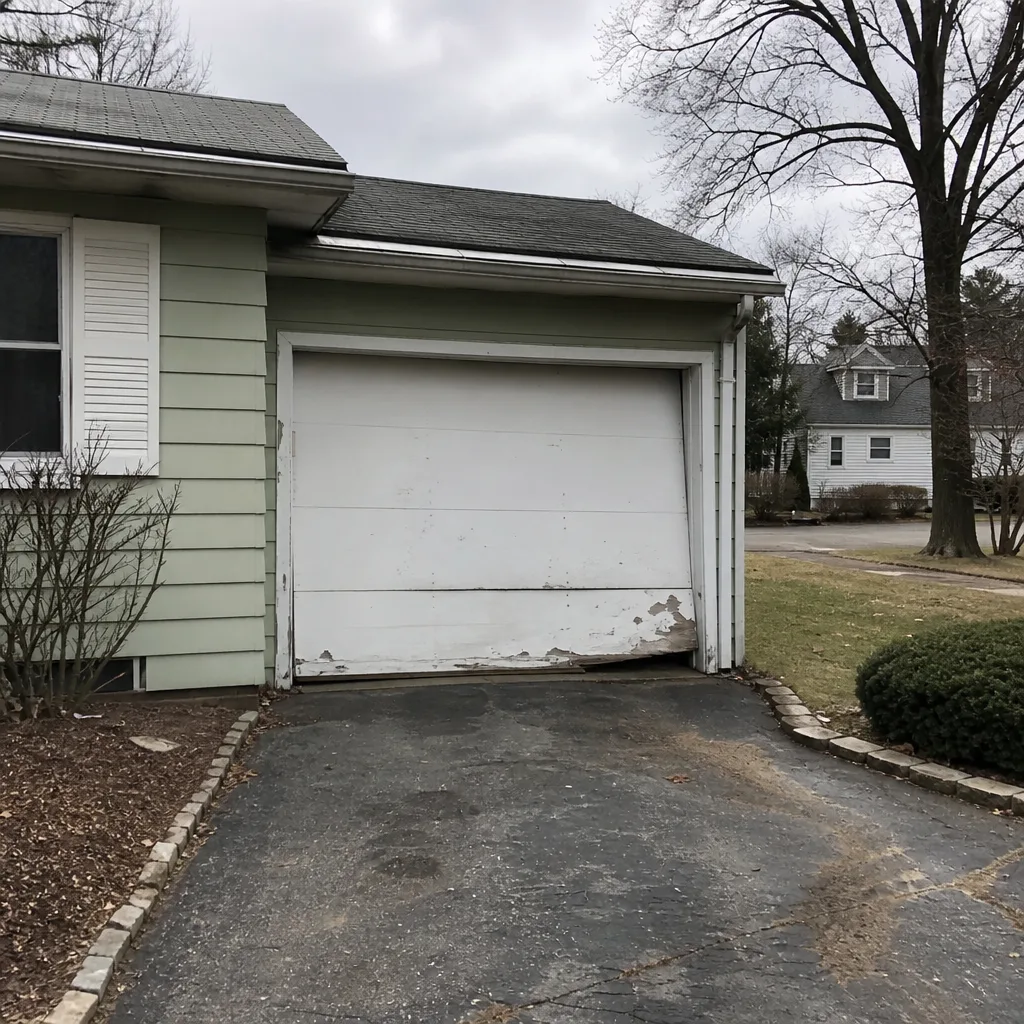 Before
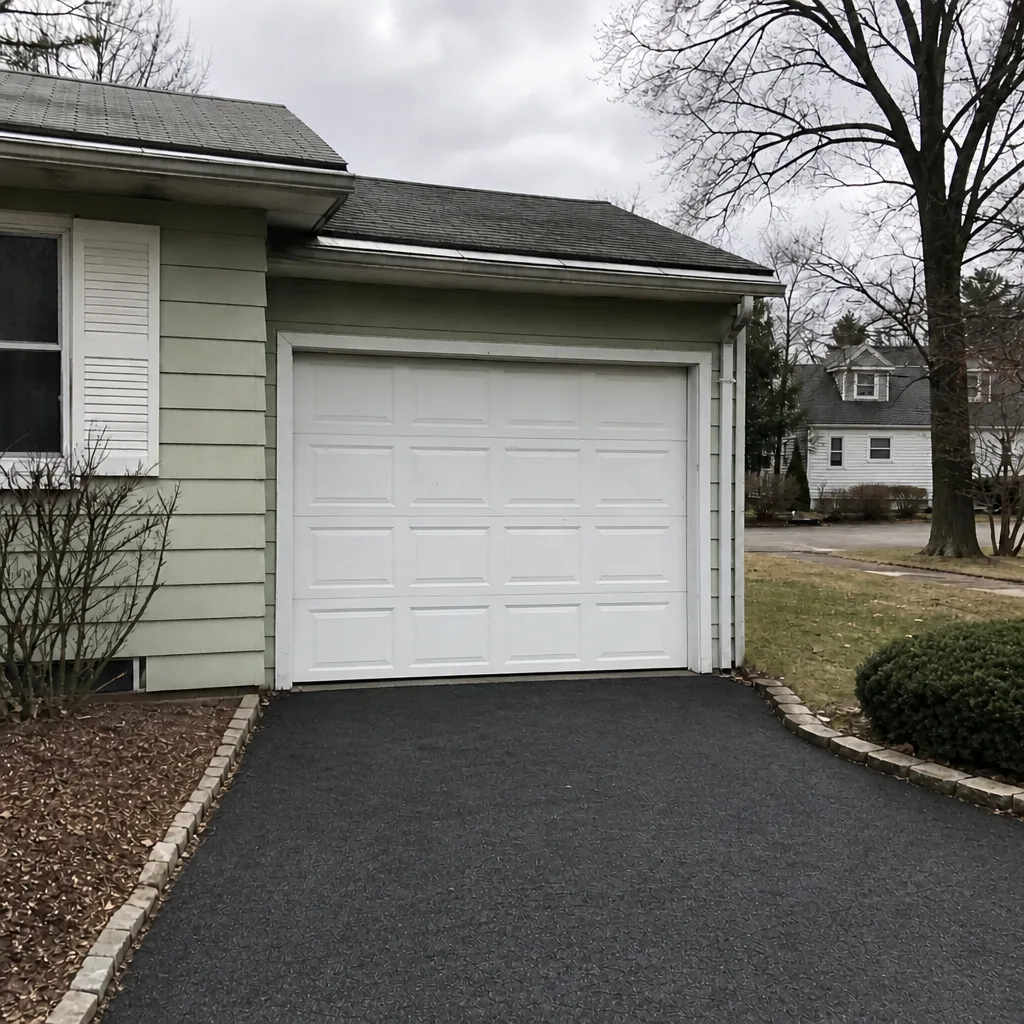 After
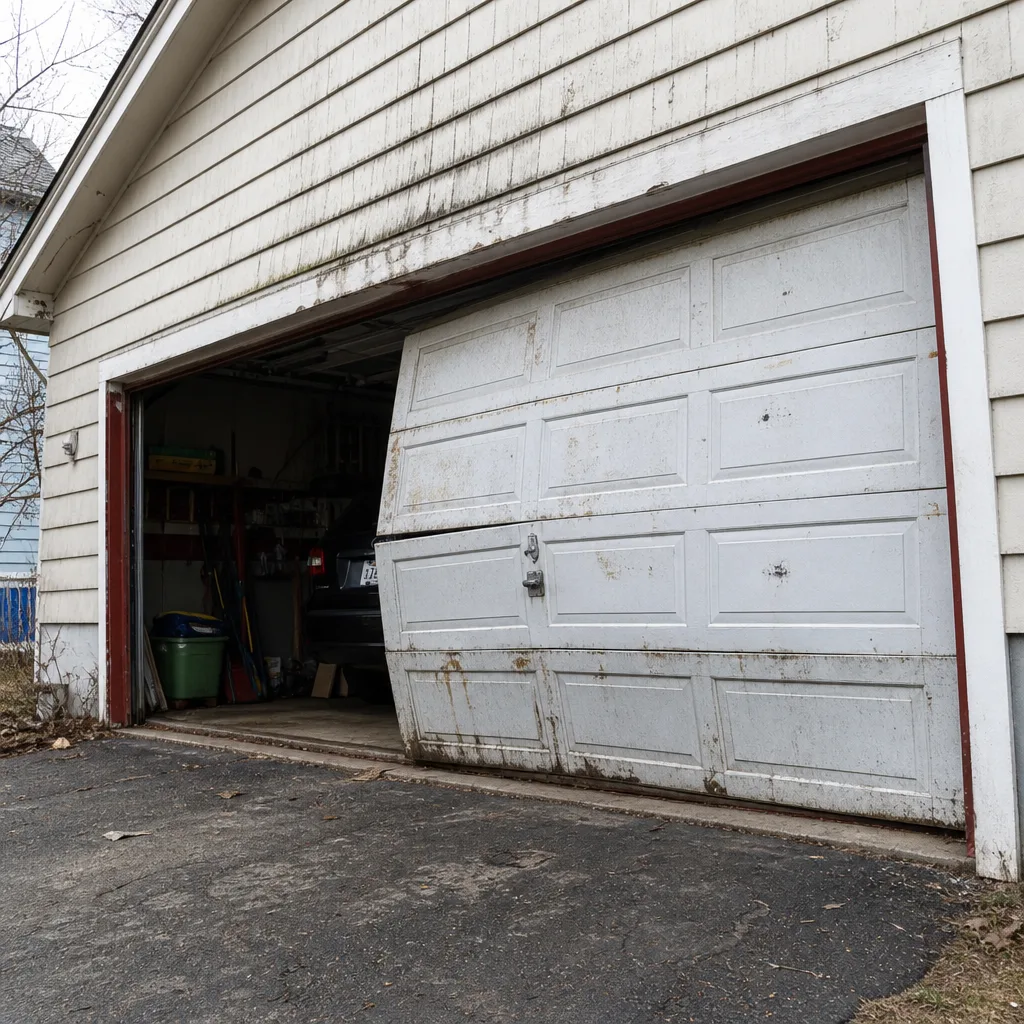 Before
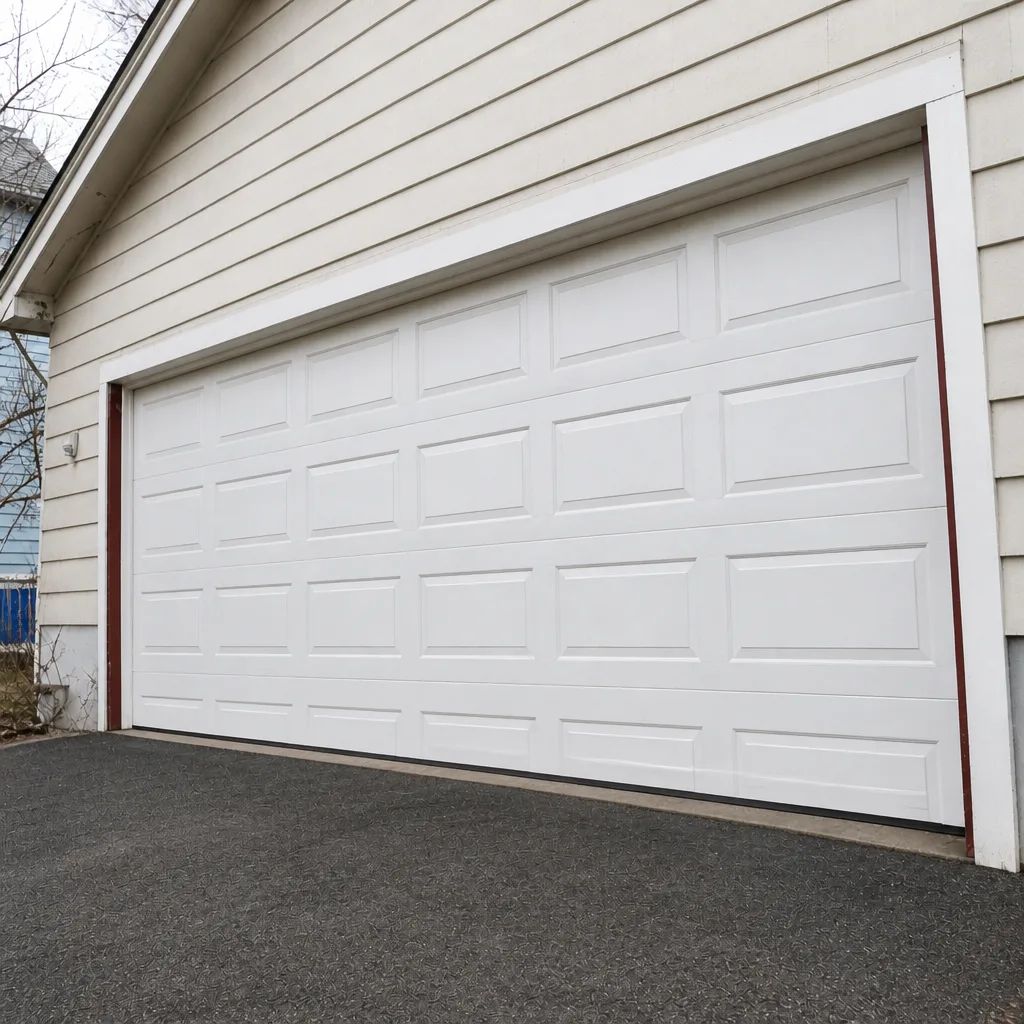 After
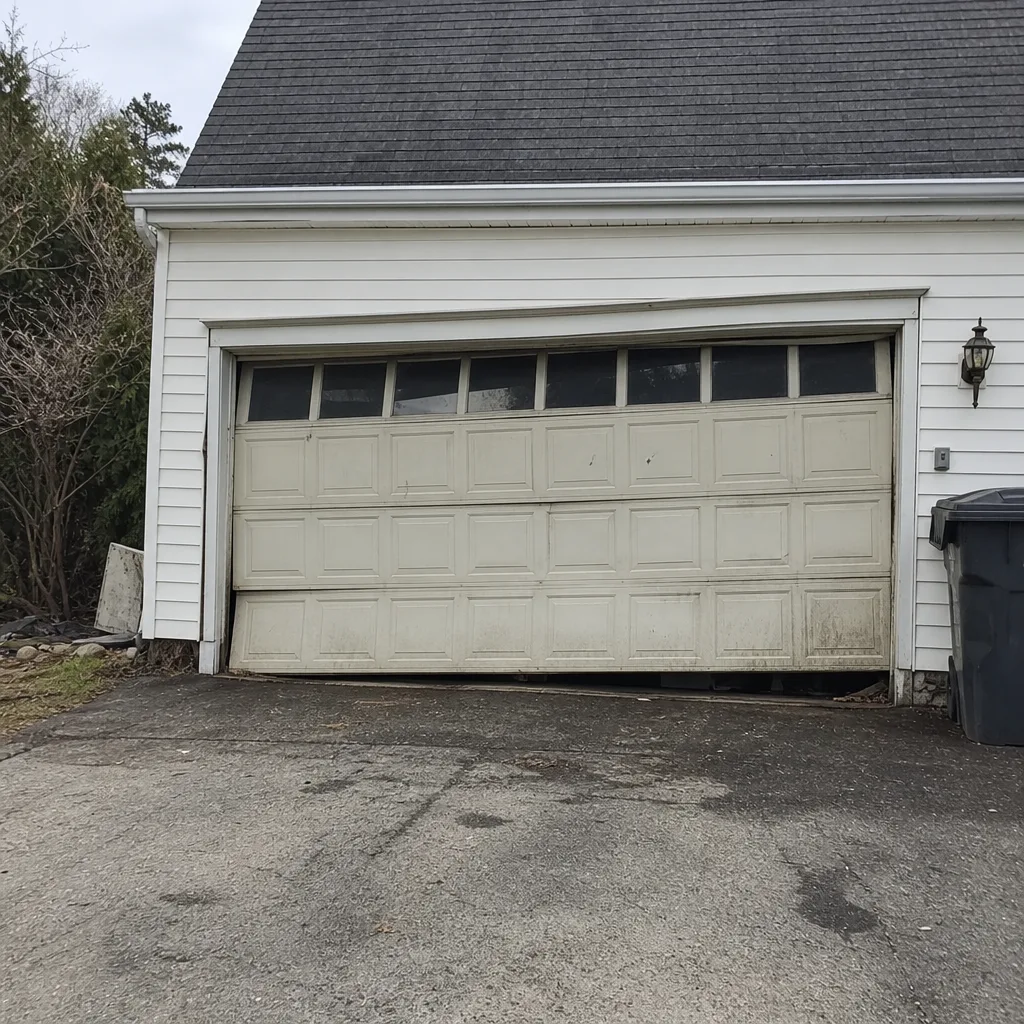 Before
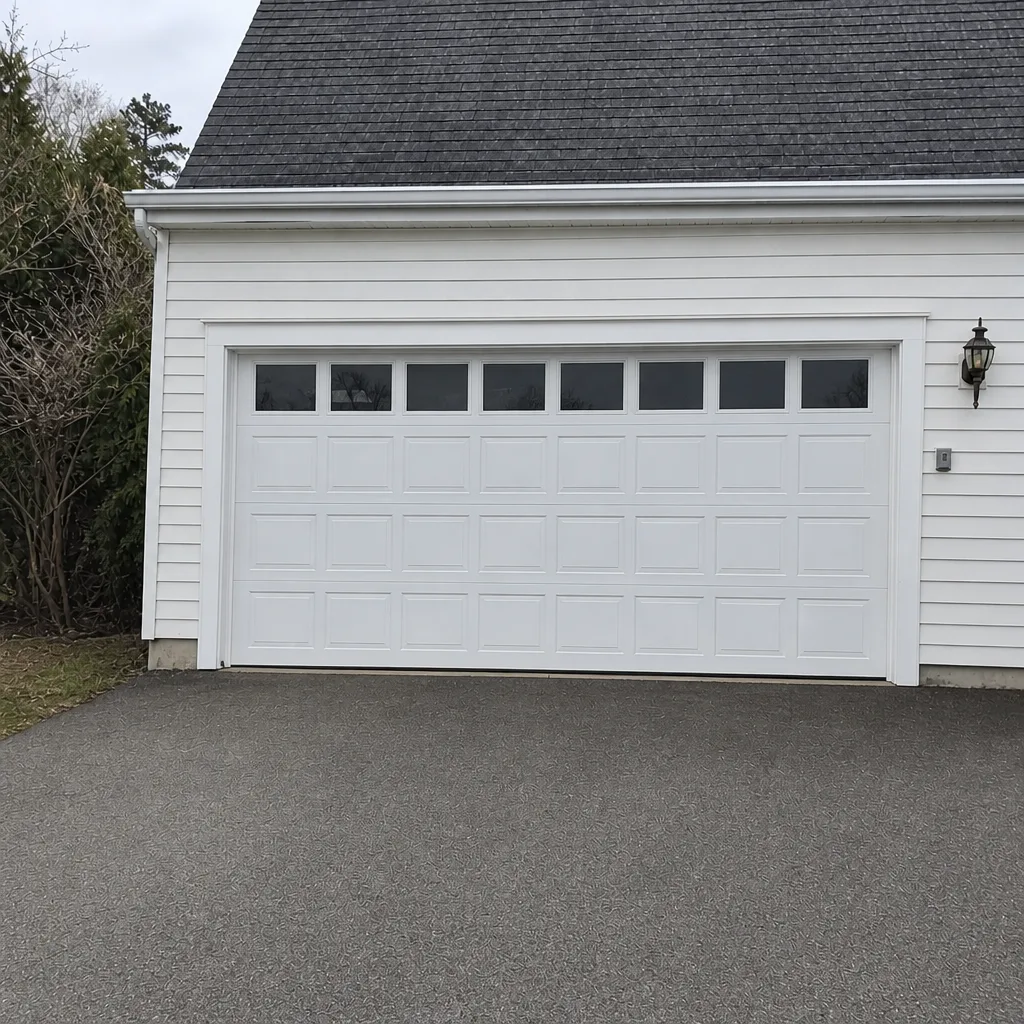 After
When to Call a Professional
Call a technician when the problem is a spring, a cable, or anything involving the door’s tension system. Call when the door is off its track, when an opener runs but the door doesn’t move, when the door reverses on its own, or when it won’t close all the way and the gap is at the bottom. Call if you can’t lift the door by hand with the opener disengaged, which usually points to a balance or spring problem. And call before you file a permit on a door replacement, so you know what the work actually involves before you describe it to the city.
Garage Door Repair Waterbury offers free estimates in Waterbury. Call (888) 839-4780. The price is quoted and agreed before any work starts, and if the job turns out to need a permit, we’ll tell you before we begin rather than after.
Frequently Asked Questions
No, most garage door repairs in Waterbury don’t need a permit because they restore the existing door rather than change it. Spring, cable, roller, track, and opener repairs typically fall outside the permitting process. The exemption is for repair, not replacement, so if the job changes the door itself, check with the Waterbury Building Department first. Call (888) 839-4780 for an exact quote on the repair; estimates are free.
Usually yes, a full door replacement in Waterbury is the kind of work the city’s building department typically wants to review and inspect, though the exact requirement depends on the project. A like-for-like change may be treated differently than a different model or size, and structural changes to the opening almost always need review. Call the Waterbury Building Department with a plain description of the work. We’ll quote the job either way; call (888) 839-4780, and estimates are free.
It depends on the wiring. Swapping an opener onto existing wiring and an existing outlet is usually treated as an appliance replacement without a permit. Running a new circuit, adding an outlet, or installing an opener in a garage that never had power is electrical work that generally needs an electrician and likely a permit. Call (888) 839-4780 and we’ll tell you which side of that line your job sits on; estimates are free.
An existing door isn’t typically required to meet the newest code requirements until the work changes it. Once you alter or replace the door, the current requirements apply to the finished installation, including safety reversal and sensor function where required. The specifics come from the Waterbury Building Department, not from a general answer. If you’re planning a change, call (888) 839-4780 for a free estimate before you file.
The city’s building department arranges the inspection when a permit was filed for the work. The inspector reviews the installation against Connecticut’s adopted code and the manufacturer’s instructions, including the safety features where required. Repairs don’t get inspected because they don’t need a permit. If you want the safety side of your opener checked anyway, call (888) 839-4780; estimates are free.
Check the balance by disengaging the opener and lifting the door halfway by hand; it should stay put, and if it drops, the springs need attention. Test the safety reversal by placing an object in the door’s path, and look at the sensors for alignment. Never adjust springs or cables yourself, because they’re under high tension. If anything seems off, call (888) 839-4780 for a free estimate.
The Bottom Line
Most garage door work in Waterbury is repair, and repair generally doesn’t need a permit. The moment the job changes the door itself or adds new electrical wiring, the Waterbury Building Department gets involved, and that’s where the filing and the inspection come in. Connecticut’s code sets the safety requirements the finished work has to meet, and the city confirms them. The one rule that never bends: springs and cables are a trained technician’s job. If you’re near Waterbury and you have a door that’s stuck, a spring that’s snapped, or an opener that’s quit, call (888) 839-4780 for a free estimate. We’ll diagnose first, tell you whether a permit applies, and quote a price we agree on before any work starts.
Written by the team at Garage Door Repair Waterbury.