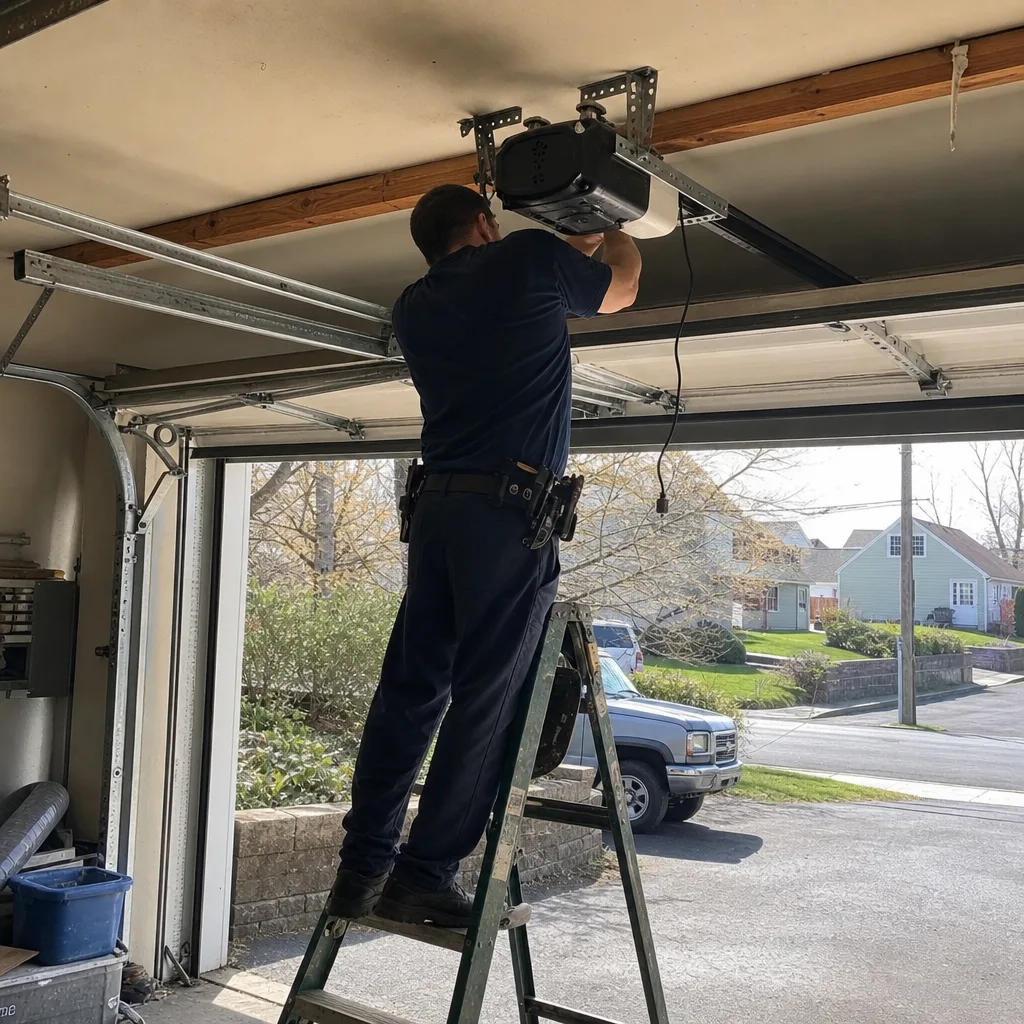
Last updated November 20, 2026
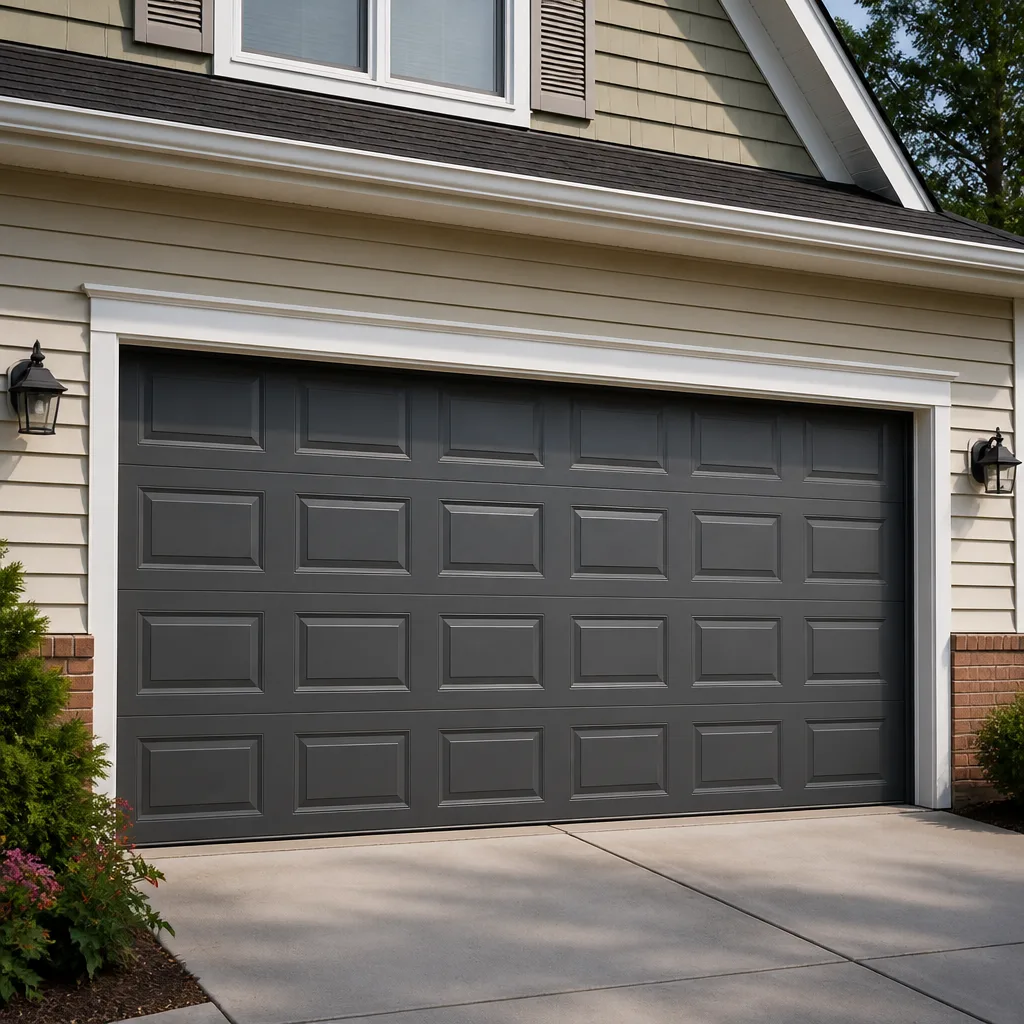 Raised-panel steel
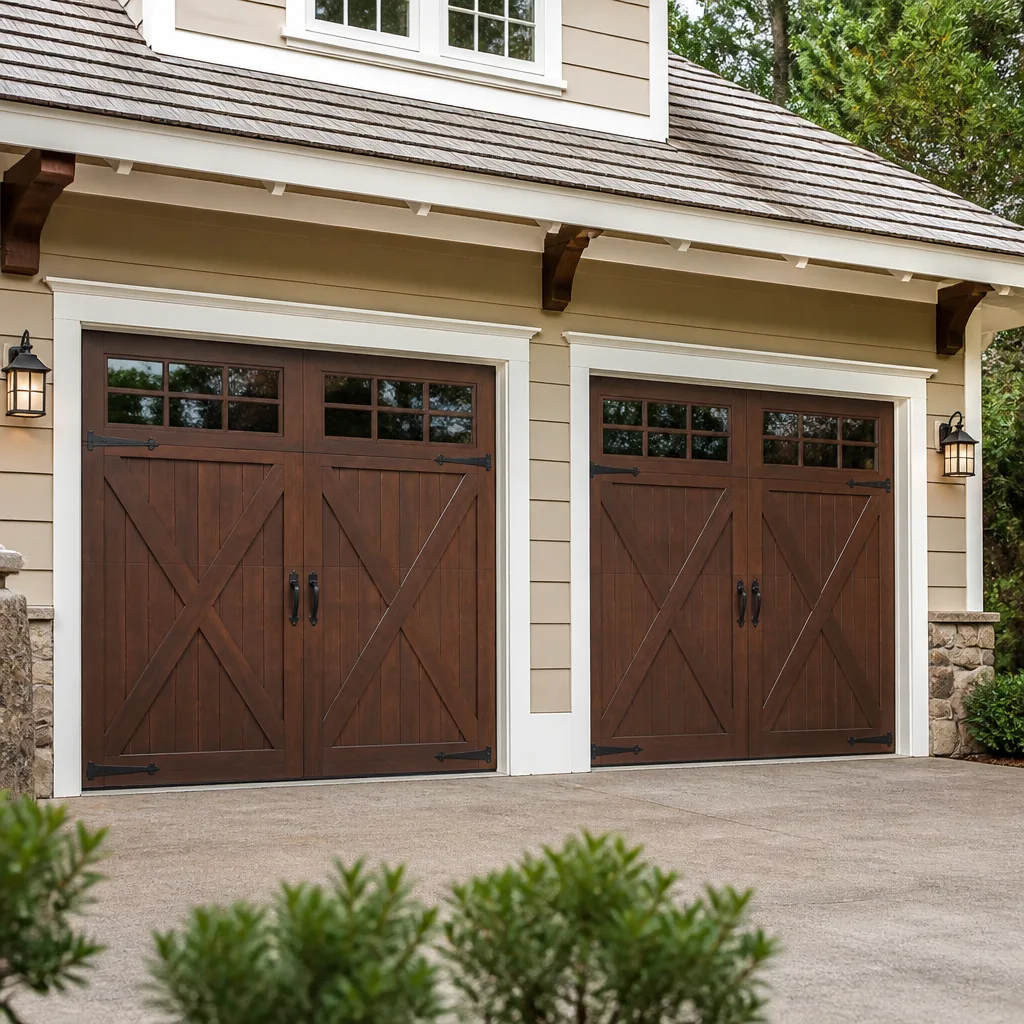 Carriage house
 Modern flush
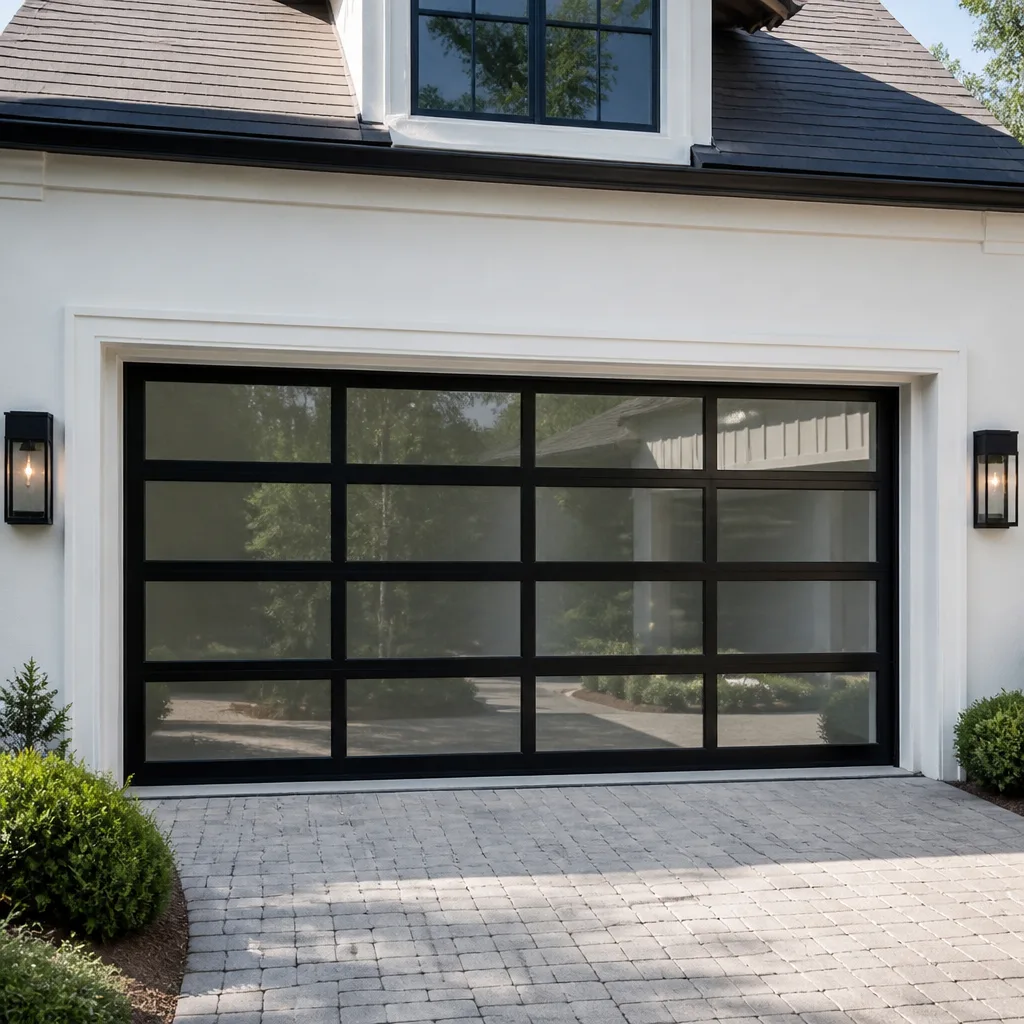 Full-view glass
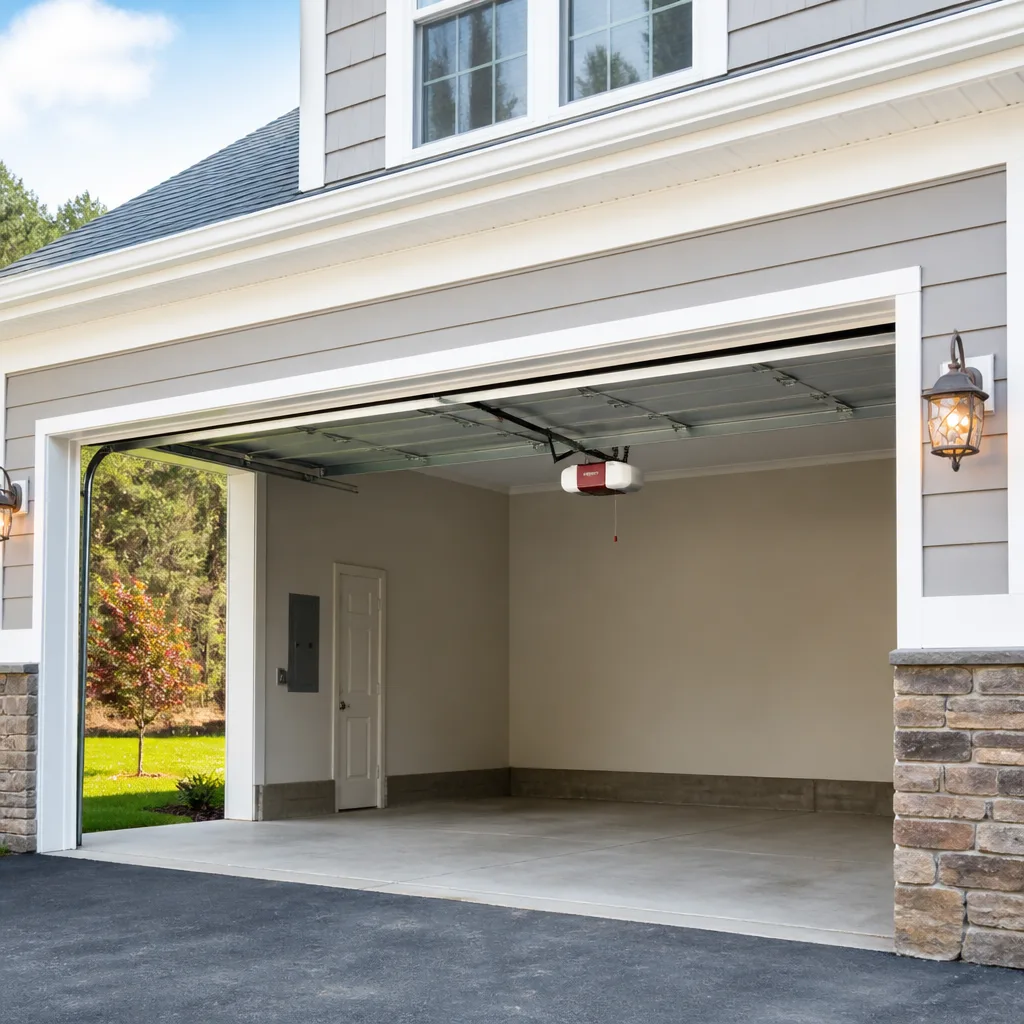 LiftMaster openers
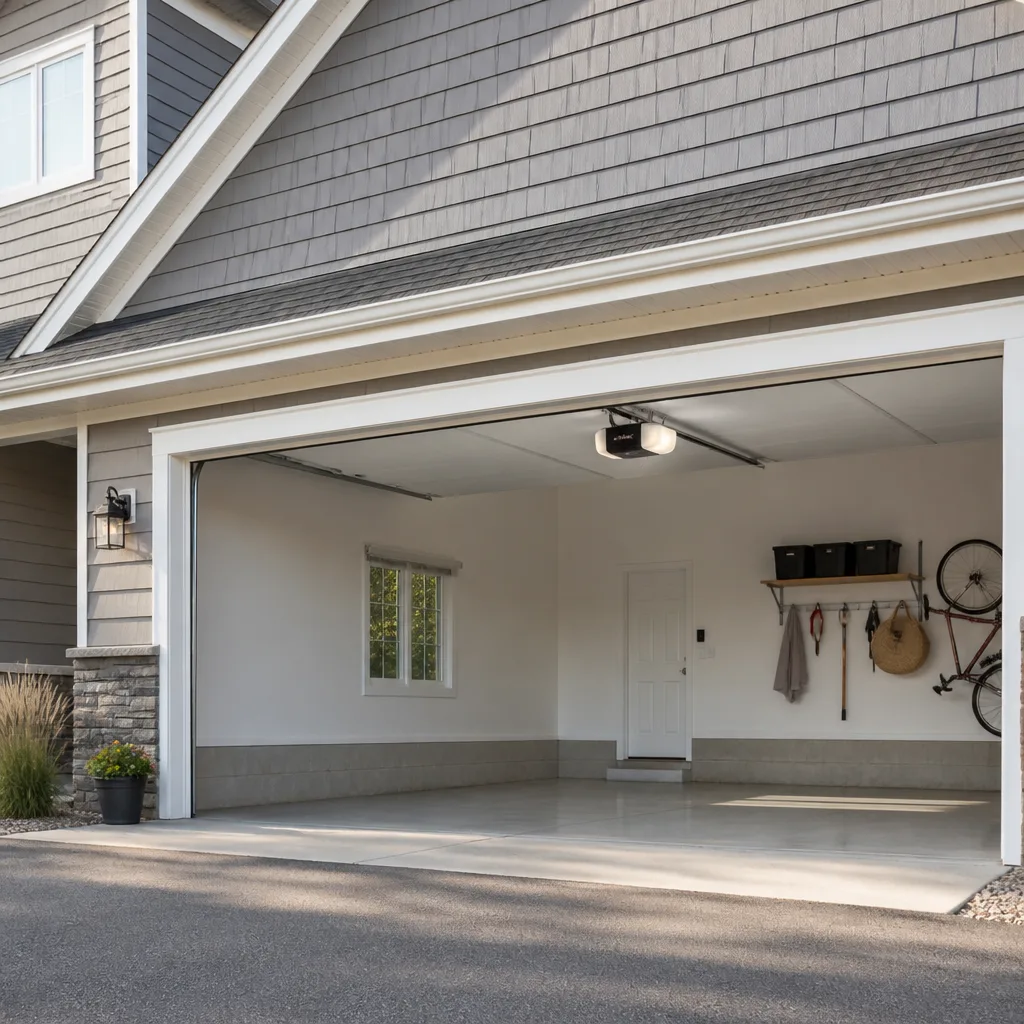 Chamberlain openers
Full 25-point door and opener safety check with every visit - springs, cables, rollers, tracks, and your LiftMaster or Chamberlain opener included
You get a price before we start. It does not change when the pro arrives.
Get your free estimateGarage Door Repair Maintenance Checklist for Waterbury Homeowners
Most homeowners think about their garage door exactly twice: when they buy the house and when it stops working. That’s the problem. A garage door is the heaviest moving assembly on a home, and in Waterbury’s climate it takes a beating you don’t see until something snaps. The common misconception is that a noisy, jerky door is just “how garage doors sound.” It isn’t. Those are early warnings, and they’re cheap to address before they become a snapped spring or a burned-out opener. This guide walks through a practical maintenance checklist you can actually use, what a technician checks that you can’t, when a problem is a same-day repair versus a scheduled one, and the mistakes Waterbury homeowners make that shorten a door’s life.
Quick Answer
Garage door maintenance for a Waterbury home means checking four systems on a regular schedule: the door and its moving parts (rollers, hinges, tracks), the spring system (torsion or extension), the opener and its safety features, and the door’s balance and alignment. Most of what prevents a breakdown is visual and auditory: listening for new noises, watching for a door that hesitates, and keeping the metal moving parts lubricated. Anything involving springs, cables, or the electrical panel is a job for a trained technician, not a weekend project.
Styles & brands we work with
- Raised-panel steel
- Carriage house
- Modern flush
- Full-view glass
- LiftMaster openers
- Chamberlain openers
Table of Contents
- Why Garage Doors Age Faster in Waterbury
- The Monthly Five-Minute Check
- The Seasonal Checklist for Waterbury’s Four Seasons
- Springs and Cables: What You Can Spot, What You Shouldn’t Touch
- Opener Maintenance: LiftMaster, Chamberlain, Genie, and Raynor Systems
- Balance, Alignment, and Track Care
- Repair vs. Replace: Making the Call
- Common Mistakes to Avoid
- Frequently Asked Questions
Why Garage Doors Age Faster in Waterbury
Waterbury sits in a part of Connecticut that swings hard between seasons. Summers bring humid stretches where the air stays thick for weeks. Winters drop below freezing regularly, and the freeze-thaw cycle is relentless. That cycle is the single most punishing thing a garage door faces, and it’s why maintenance here can’t follow a generic national schedule.
Here’s what’s actually happening to the door. Metal expands in summer heat and contracts in winter cold. Wood components, if the door has them, absorb moisture in humid months and dry out and crack when the heat comes on. Steel panels are painted at the factory to resist rust, but any scratch or chip in that coating becomes a rust point, and rust spreads faster in a humid garage than most people expect. The garage itself is often unheated at one end and warm at the other, so one side of the door can be working in a different microclimate than the other.
The spring system takes the worst of it. A torsion spring is under constant tension every hour of every day, and the temperature swings from a July afternoon to a January night mean the metal is flexing through a wider range than it would in a milder climate. Extension springs stretch and contract with the same stress. Neither spring cares that you didn’t ask it to work harder in February.
Neighborhoods across Waterbury, from the older homes around the Green to the residential streets off Wolcott Road, tend to share one thing: garages that were built to hold a car and not much else, often with minimal insulation. That means the door is doing structural work in an environment with wide temperature swings. Knowing that, the checklist below focuses on what the climate actually stresses: metal, springs, and seals.
The Monthly Five-Minute Check
You don’t need tools for most of this. You need five minutes and a little attention, ideally at the same time each month so it becomes habit.
- Listen before you look. Open and close the door once and just listen. A healthy door makes a low, steady hum. Grinding, squealing, popping, or a door that slams at the bottom are all flags. New noises are the earliest warning you’ll get.
- Watch the door travel. Stand back and watch it go up and come down. It should move smoothly and at an even pace. A door that jerks, hesitates, or drifts to one side has a balance issue.
- Check the safety reversal. Put a roll of paper towels or a small block of wood flat on the ground in the door’s path and close it. The door should reverse on contact. If it doesn’t, stop using the opener and call for service.
- Test the photo-eye safety sensors. These are the small lenses near the floor on each side of the door. Wave something in front of them while the door is closing; it should reverse. Wipe the lenses with a dry cloth if they look cloudy.
- Look at the springs and cables. From a safe distance, check for a visible gap in a torsion spring or a stretched, tangled extension spring. Cables should be taut and seated in their drums. If something looks wrong, don’t touch it. Note it and call.
That’s the whole monthly check. If you do nothing else on this list, do the safety reversal test and the sensor test. Those are the two checks that matter for safety, not just function.
The Seasonal Checklist for Waterbury’s Four Seasons
Waterbury gets a real four-season cycle, so the maintenance calendar should follow it. Here’s what to focus on each season.
Spring (After the Thaw)
- Wash the door panels and check for rust spots or chipped paint. Touch up any bare metal before summer humidity gets to it.
- Check the bottom weather seal for cracks and gaps. Winter ice and salt from the road push into those gaps.
- Look at the tracks for debris, grit, and any loosened bolts.
- Test the balance of the door by hand: disconnect the opener (pull the release cord) and lift the door halfway. It should stay there on its own. If it falls or rises, the springs are out of balance.
Summer (Heat and Humidity)
- Lubricate the moving metal parts with a garage-door-specific lubricant. Rollers, hinges, and track curves get a light coat. Avoid greasy sprays that attract dust; a proper lubricant stays put.
- Check for humidity-related swelling in wood door components, if the door has them.
- Test the opener’s auto-reverse features again. Heat can affect sensor alignment.
- Clear the garage of clutter that might block the photo-eye sensors, which are often knocked out of alignment by a garbage bag or bike.
Fall (Before the Cold)
- Replace or tighten the bottom seal so cold air and snow don’t get in.
- Inspect the hinges and roller stems for wear. Fall is the right time to catch it.
- Test the door’s balance again, since a spring hasn’t seen a full winter yet this year.
- Check the opener’s chain or belt tension if it’s a LiftMaster or Chamberlain model with a visible drive system.
Winter (Cold and Freeze-Thaw)
- Keep the tracks clear of ice and snow build-up at the base.
- Watch for a door that gets harder to open in cold weather. A door that works fine in July but struggles in January is signaling a spring or balance issue, not just cold metal.
- Don’t force a frozen door. If the bottom seal is stuck to the concrete, work it loose gently by hand before running the opener.
Springs and Cables: What You Can Spot, What You Shouldn’t Touch
Springs are the part of the garage door system that most deserves respect. A torsion spring stores enough energy to lift a door that weighs well over a hundred pounds, and it holds that energy every hour it sits there. A spring can release that energy instantly. If a spring fails while someone is adjusting it by hand, the result can be serious injury.
That’s why we tell Waterbury homeowners to look, not touch. Here’s what to look for:
- A visible gap in a torsion spring means it has broken and the door is now dead weight. Do not try to lift the door or run the opener. Call for repair.
- A stretched or tangled extension spring is a spring that’s failed or about to. Same rule: don’t operate the door.
- A cable that has come off its drum or looks frayed is a safety issue. Cables run under tension and can whip if they fail. Keep hands and feet clear.
What a technician does when you call is different and safer. We identify whether the door uses a torsion spring (a horizontal shaft above the door) or extension springs (two springs running alongside the tracks). We assess whether one spring or a matched pair needs replacing. A pair is usually replaced together, because two springs of the same age wear at the same rate; replacing one and leaving the other often means you’ll be back within a season. We then use proper winding bars to release the trapped tension safely, install the new spring, and rebalance the door before running it. That’s the difference between a repair and an attempted repair.
If you’re ever unsure whether something is normal, garage door repair in Waterbury can tell you in a phone call. Diagnosis first: we’d rather tell you it’s fine than sell you a spring you don’t need.
Opener Maintenance: LiftMaster, Chamberlain, Genie, and Raynor Systems
Openers are the part of the system most homeowners think of as “the garage door.” They’re not; they’re the motor that raises and lowers the door, and they work best when the door itself is in balance. An opener that has to fight a badly balanced door wears out faster. So opener maintenance starts with the door.
Once the door is moving freely, here’s what a technician checks on an opener:
- The drive system. Chain-drive openers (common on older LiftMaster and Chamberlain installs) need chain tension checked; a sagging chain slaps and skips. Belt-drive units run quieter but can stretch over time. Screw-drive Genie units can dry out and need lubrication.
- Force and limit settings. These determine how much force the opener applies before it reverses. If they’re set too high, the opener can force a jammed door; too low and the door reverses for no reason. They need adjustment, and they need to be reset if the door’s weight has changed.
- Safety features. The photo-eye lenses near the floor and the auto-reverse feature both have to work. Modern LiftMaster and Chamberlain units also have a battery backup, if equipped, that should be tested.
- Smart-home connectivity. If the opener is Wi-Fi-connected (many Genie and LiftMaster models are), the app connection, notifications, and remote access should be checked. A disconnected opener isn’t dangerous, but it removes a useful layer of security.
Older Craftsman and Raynor units are still common in Waterbury garages, and they’re simpler; the maintenance is mostly the same but with fewer electronics to check. We work on all four, and on the brands across the industry that use the same drive mechanisms.
Balance, Alignment, and Track Care
A well-balanced door is one that moves easily by hand and stays where you leave it. A door out of balance puts extra load on the opener and the springs, and it’s one of the more common reasons openers fail prematurely.
To check balance, pull the opener release cord to disconnect the door, then lift the door halfway by hand and let go. It should stay put. If it drifts down, the springs are under-tensioned. If it drifts up, they’re over-tensioned. Either way, the spring tension needs adjustment by a technician, and the door should not be operated with the opener until that’s done.
Track care is simpler and safer for a homeowner:
- Look for bent or dented tracks. A dent forces the rollers to fight their way through, and the door will bind, jerk, and eventually throw a roller. Don’t try to straighten a track with a hammer; a bent track can be adjusted but it takes specific tools to do it without damaging the door.
- Check that the tracks are parallel. If one side is off, the door will rub. This shows up as scuff marks on one side of the door.
- Clean the tracks with a dry cloth and keep them free of grit. Avoid heavy oils on the tracks; a light lubricant or dry silicone spray on the door’s rollers and hinges is better than grease on the track itself.
Panel alignment is the other thing to watch. A door that closes with one corner slightly ahead of the other has a panel out of alignment, usually from a minor impact or a hinge that’s loosened. Panel alignment issues are easy to miss and easier to fix before they turn into a bent track.
Repair vs. Replace: Making the Call
The right default on a garage door is to repair what’s broken. Our bias is diagnosis first, and in our experience most garage doors are repairable. But there are times when a repair isn’t the best use of money.
The main factors:
- Cost of the repair against the door’s condition. If the door is sound overall and one part fails, repair. If multiple parts are failing at once, or a panel has worn through, the math changes.
- Panel availability. Doors from Clopay, Amarr, and Wayne Dalton have model-specific panels. If a panel needs replacing, the model matters. A door whose model is still in production is easier to repair.
- Safety history. A door that has repeatedly come out of balance or has had a spring fail is worth a professional assessment. Repeated problems sometimes point to a track or structural issue, not just a worn part.
- Age relative to expected life. Garage doors generally last a long time, but they do wear. If the door has had multiple failures across different systems in a short period, a replacement may be worth considering.
What we won’t do is push a replacement you don’t need. We repair the brand you already have. If your door is from one of the common manufacturers (LiftMaster, Chamberlain, Genie, Clopay, Amarr, Wayne Dalton, Craftsman, Raynor), the technician arrives knowing the parts and common failure modes. If a replacement is the honest answer, we say so and explain why.
Common Mistakes to Avoid
- Ignoring a door that works fine in July. A door that starts to struggle in a Waterbury January is telling you the spring or balance has drifted. Catch it before it fails in a cold snap when you need the car out.
- Using WD-40 on the springs and tracks. WD-40 is a penetrant, not a lubricant. It’ll clean off the old grease and leave metal dry. Use a garage-door lubricant on moving metal, not a household spray.
- Replacing one spring and leaving the other. Matched pairs wear together. Replacing one means the older spring is now doing more than its share, and it usually fails soon after. Have the pair replaced.
- Forcing a door that won’t open. If the door is stuck, disconnect the opener and try it by hand (with the door clear). If it doesn’t move, the opener’s force setting is already high. Repeatedly running the opener on a stuck door burns out the motor.
- Trying to fix a spring yourself. This is the mistake that puts people in the emergency room. Springs are under enough tension to cause serious harm. This is a job for a trained technician.
- Pointing the photo-eye sensors at the door instead of each other. Sensors work as a pair, aimed at each other across the doorway. If one is knocked sideways, the door will close once and then refuse to close again. Realigning them is a two-minute fix.
- Letting rust go untreated. A small rust spot on a Waterbury door in humid weather becomes a hole. Touch up bare metal when you see it.
See the difference
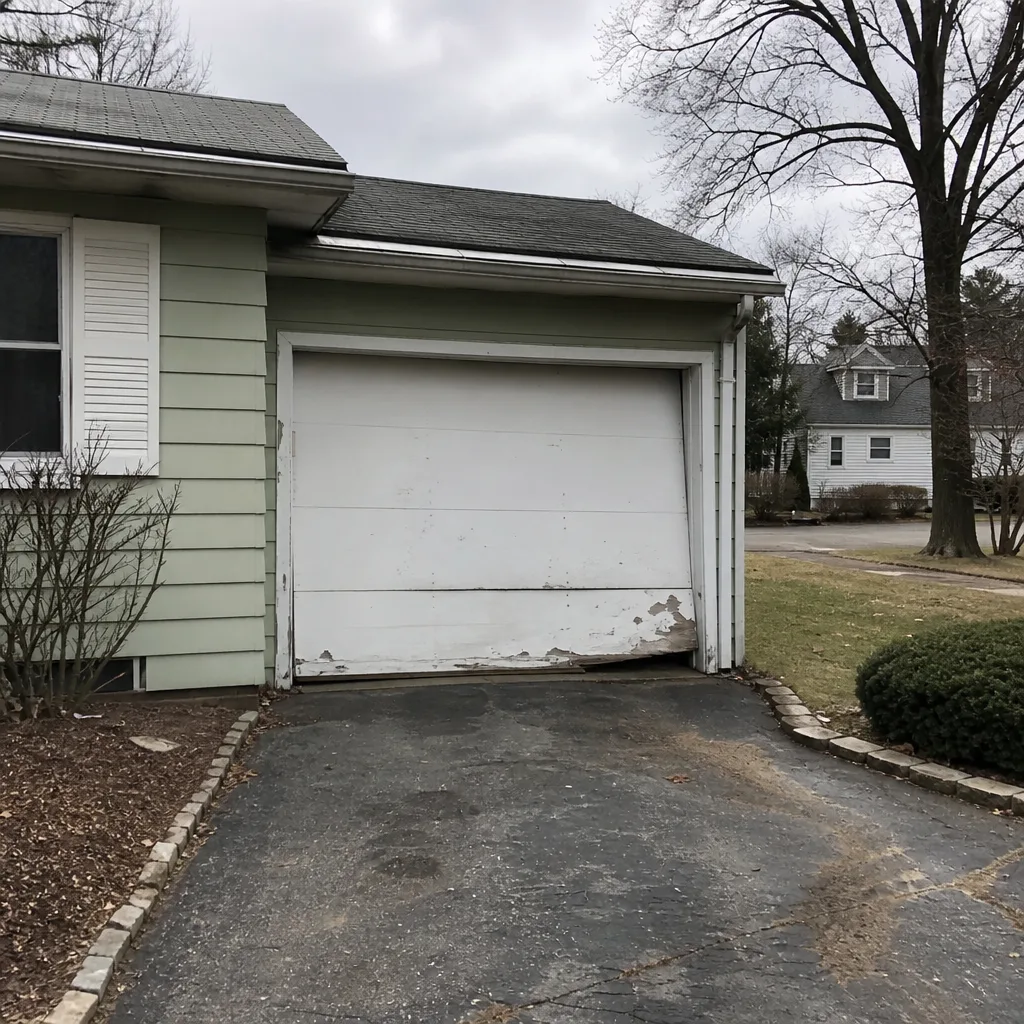 Before
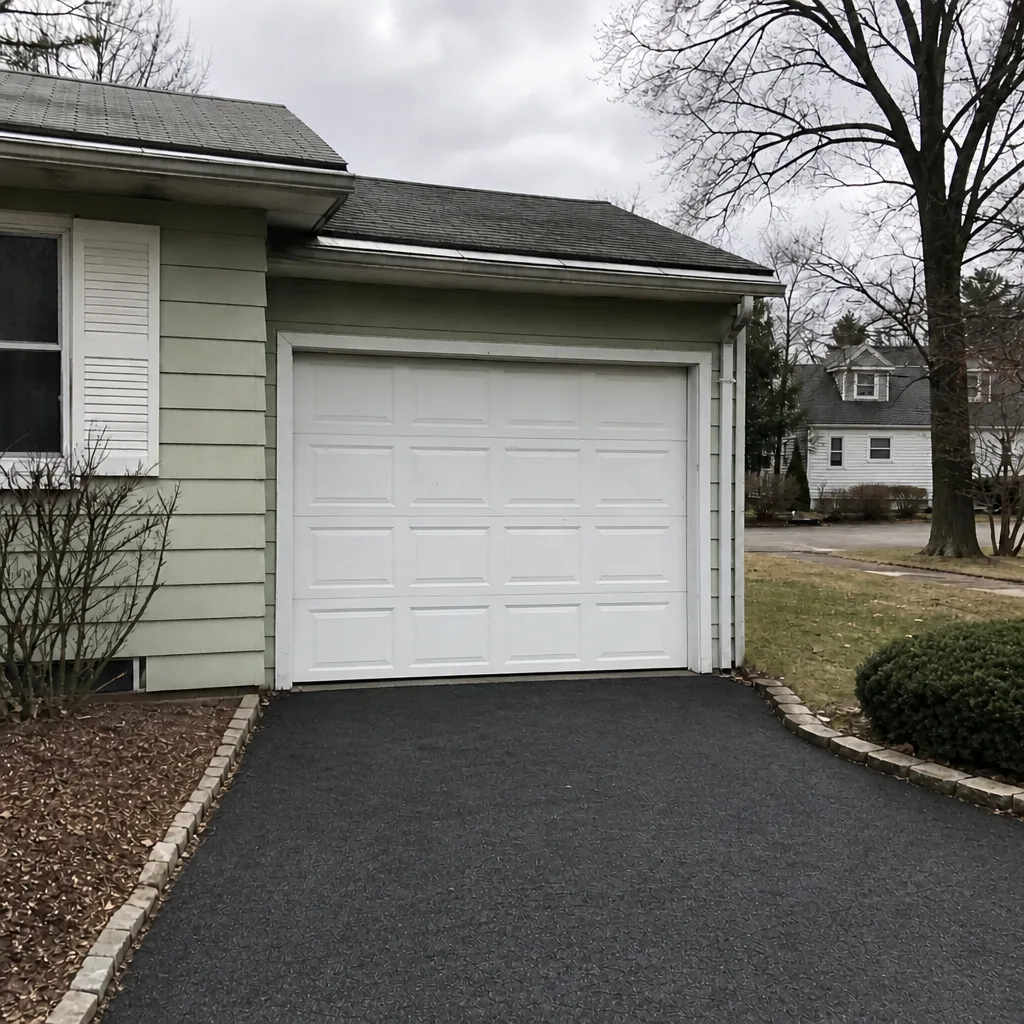 After
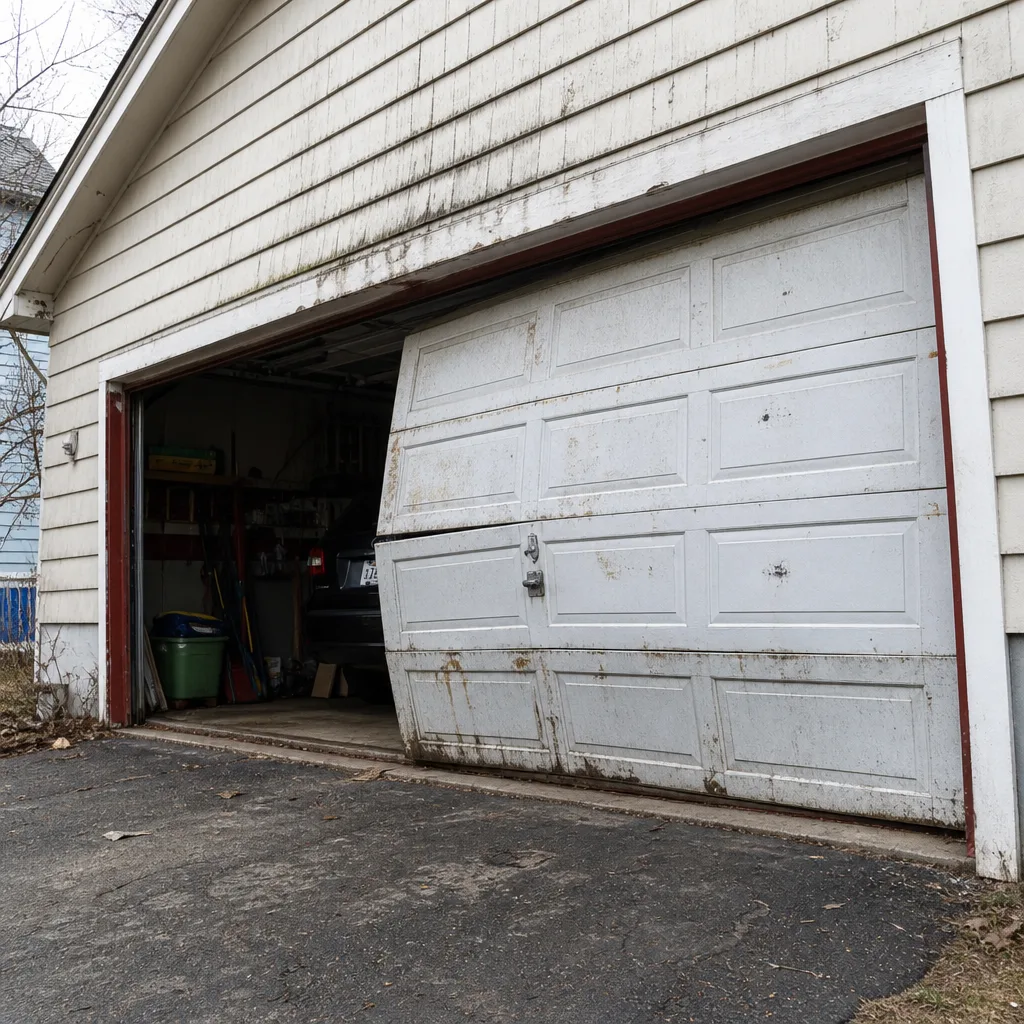 Before
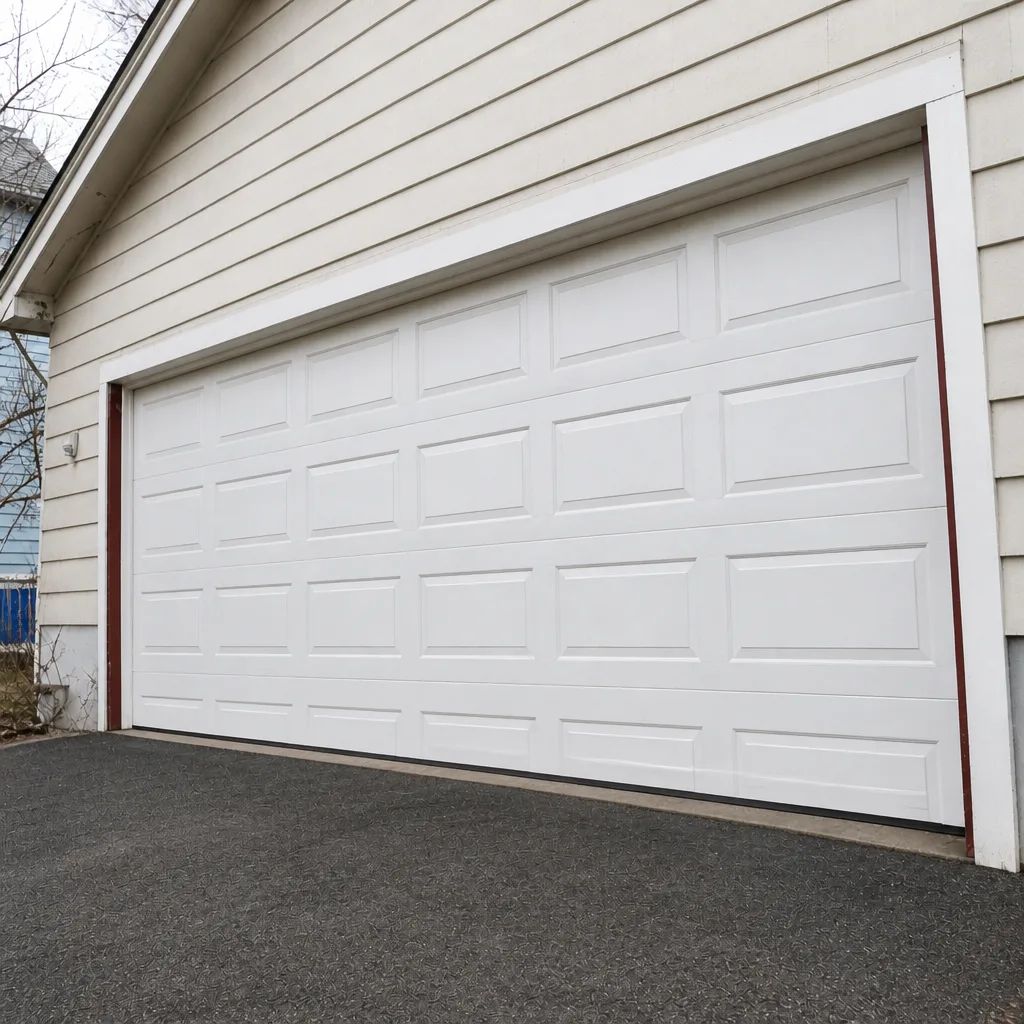 After
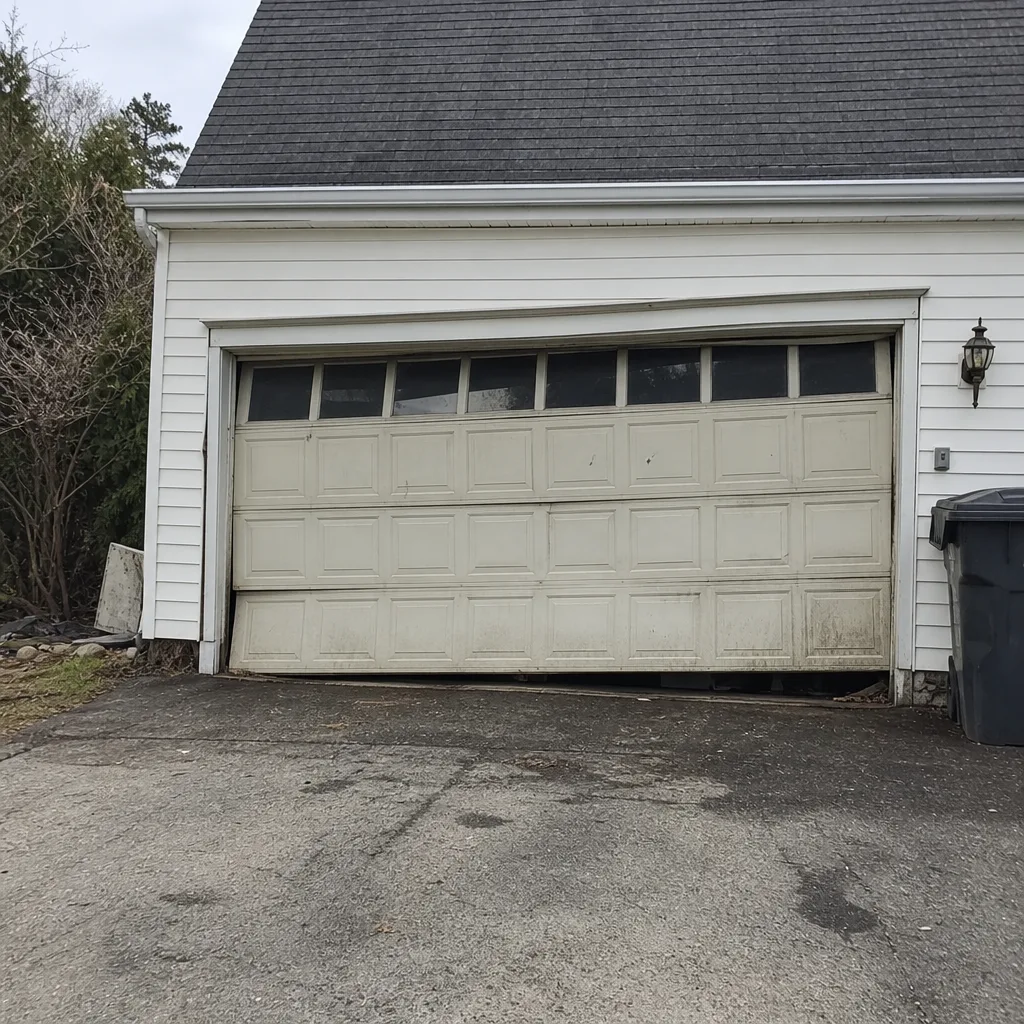 Before
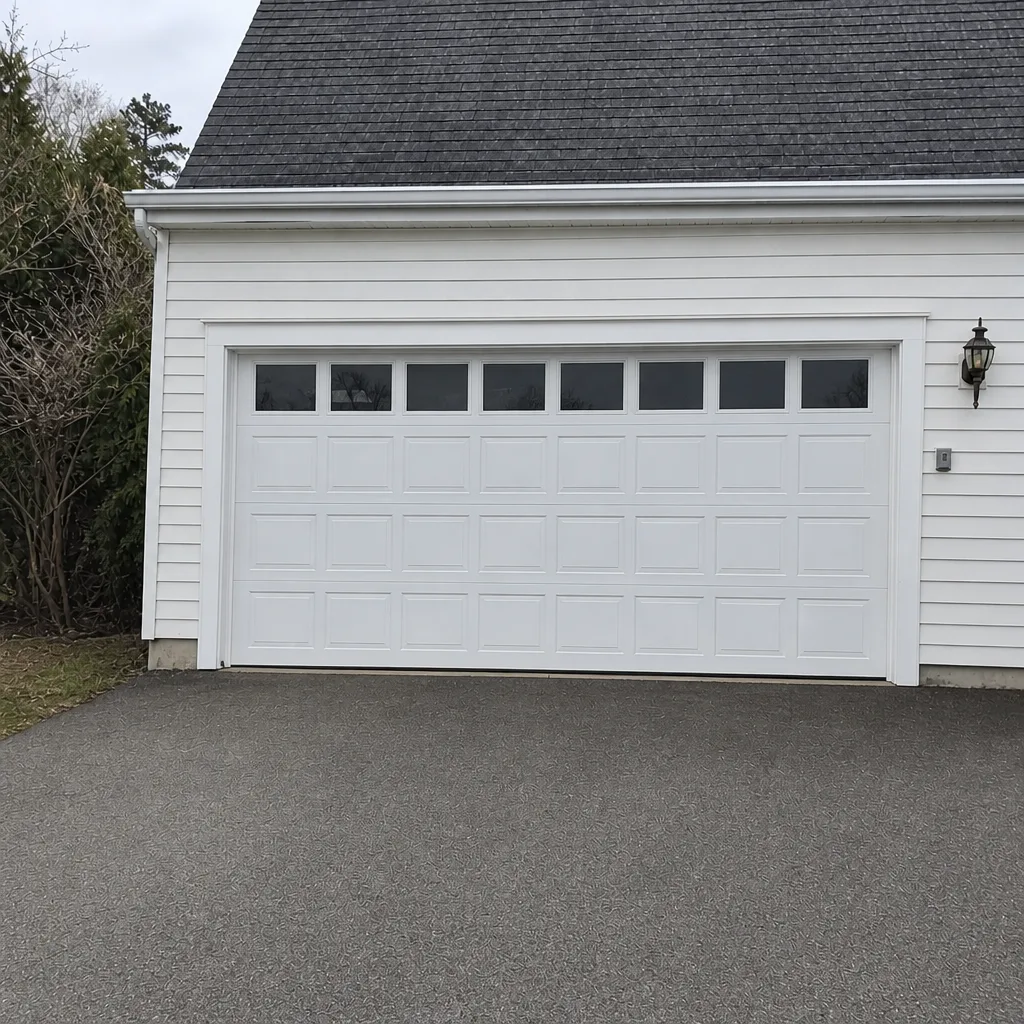 After
When to Call a Professional
Some things are safe to handle yourself: lubricating moving parts, clearing debris from tracks, testing the safety reversal, and realigning photo-eye sensors. Everything else is worth a call.
Call a professional when:
- The door won’t open or close, or operates unevenly
- You see a broken, gap, or stretched spring
- A cable is loose, frayed, or off its drum
- The door has come off its tracks
- The opener runs but the door doesn’t move
- The door reverses on its own for no reason
- You hear a loud bang from the garage
- The door slams at the bottom
- The safety reversal feature doesn’t work
- A panel is cracked, or the door is out of alignment
For a genuine emergency (a door that has come off its tracks, a snapped spring on a car you need to move), call as soon as you can. Garage Door Repair Waterbury offers free estimates in Waterbury at (888) 839-4780. We’ll diagnose first and tell you what’s actually going on.
Frequently Asked Questions
A single torsion spring replacement typically runs in the range of a few hundred dollars, and a matched pair is about twice that because both springs are replaced together. The written estimate you get before work starts sets the final price, so the number you agree to is the number you pay. Call (888) 839-4780 for an exact quote; estimates are free.
Most manufacturer guidance points to an annual service, with a lighter monthly self-check. Because Waterbury’s climate puts the springs and seals through a wider temperature range than a milder climate would, an annual check that focuses on the spring system and the door’s balance makes sense here.
For repair calls in Waterbury, same-day service is often possible. Call (888) 839-4780 and we’ll tell you what’s available for your address. If the door has come off its tracks or a spring has failed, don’t run the opener; call first.
A door that won’t move with a working opener usually means the opener has been disconnected (check the release cord), a spring has failed so the door is dead weight, or the opener’s force setting has tripped. Don’t force it. Call (888) 839-4780 and we’ll diagnose over the phone if we can.
Yes. We service LiftMaster, Chamberlain, Genie, and Craftsman openers, along with the doors from Clopay, Amarr, Wayne Dalton, and Raynor. The technician arrives familiar with the parts and tolerances for the brand, so we’re not guessing at the problem.
No. We quote the price before any work starts, and the written estimate sets the final price. If we find something different during diagnosis, we’ll explain it and re-quote before we do anything. You’ll never be surprised by the invoice. Call (888) 839-4780 for a free estimate.
The Bottom Line
Garage door maintenance in Waterbury isn’t complicated, but it does need to happen. The monthly five-minute check catches the early warnings. The seasonal checklist keeps the door in tune with Waterbury’s four seasons. The spring system and opener get the expert attention they need. Repair first, replace only when the door’s condition genuinely calls for it, and never touch a spring yourself. If something’s not right, or you’re just not sure, call us. We diagnose first, and the price is set before any work begins. That’s how a garage door gets fixed correctly the first time.
Written by the team at Garage Door Repair Waterbury.
Call (888) 839-4780 for a free estimate. Our technicians have up to 13 years of experience, and we work on the brands you already own. When something on your garage door isn’t working the way it should, we’re here to get you back up and running.